Sports Origins – May 2023 Archive
When exploring sports origins, the places where each sport first appeared and the cultural forces that helped them grow, you quickly see how geography, tradition, and social need shape the games we love. Take basketball, a court sport invented in the United States in 1891 – it started as a indoor activity for winter months and now fuels a global fitness craze. soccer, the most popular field sport, traced back to England’s public schools in the 19th century shows how simple rules can become a worldwide phenomenon. Understanding these beginnings requires a look at history, migration, and the way communities adopt new pastimes.
Another fascinating story is badminton, a racket game that evolved from an Indian pastime called Poona and was formalised in England. Its spread illustrates colonial exchange and the power of elite clubs to standardise rules. Meanwhile, table tennis, born in Victorian England as a parlor game shows how a modest pastime can turn into an Olympic sport. The common thread? All these sports needed a hub – a school, a club, or a community centre – to take root and then travel across borders.
Beyond the British Isles and the United States, sumo wrestling, a heavyweight grappling contest with origins in ancient Japan reminds us that sport can be a ritual, a religious offering, and a display of national identity. Its centuries‑old traditions still influence modern Japanese culture and inspire international tournaments. The diversity of origins – from a YMCA gym to Shinto shrines – proves that sports are both mirrors and makers of society.
These stories aren’t just trivia; they help us see why certain games dominate in specific regions and how they adapt over time. The sports origins map we’ve built in May 2023 shows clear patterns: colonial links, industrialisation, and the rise of mass media all play a role. Recognising these patterns can guide clubs, teachers, and event organisers who want to introduce new activities or revive old ones.
What You’ll Find Below
The posts in this archive dive deeper into each sport’s birthplace, the key figures who shaped them, and the moments that turned local pastimes into global phenomena. Whether you’re curious about why basketball courts line city parks or how sumo tournaments still follow ancient rituals, the collection offers concise, fact‑filled snapshots you can use for research, conversation, or planning your next game night. Keep reading to uncover the full picture of how these sports traveled from a single field or hall to the world stage.
Can someone name sports and their originated countries?

As a sports enthusiast, I've always been curious about the origins of various sports and where they were first played. After doing some research, I discovered that basketball was invented in the United States, soccer (or football) traces back to England, and table tennis, also known as ping pong, originated in Victorian England. Moreover, the modern version of badminton comes from India, while sumo wrestling has a long history in Japan. It's truly fascinating to see how sports have evolved and spread across the globe, bringing people together through the spirit of competition and camaraderie.
Categories
RECENT POSTS

Root leads England without Stokes in New Zealand Test at The Oval
Joe Root captains England without Ben Stokes at The Kia Oval against New Zealand. Three debutants join the squad as England seeks to extend their 1-0 series lead amid off-field controversy.

Crystal Palace 2-0 Wolves: Edwards’ Debut Ends in Defeat as Palace Surge to Fourth, Wolves Hit Historic Low
Crystal Palace beat Wolves 2-0 at Molineux, with goals from Muñoz and Pino, leaving Wolves winless in 12 Premier League games — their worst start since 1930 — while Palace surge to fourth place.

Can someone name sports and their originated countries?
As a sports enthusiast, I've always been curious about the origins of various sports and where they were first played. After doing some research, I discovered that basketball was invented in the United States, soccer (or football) traces back to England, and table tennis, also known as ping pong, originated in Victorian England. Moreover, the modern version of badminton comes from India, while sumo wrestling has a long history in Japan. It's truly fascinating to see how sports have evolved and spread across the globe, bringing people together through the spirit of competition and camaraderie.
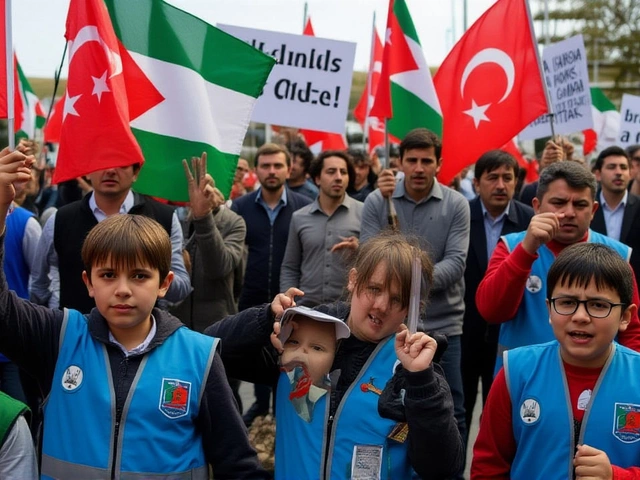
Greta Thunberg alleges abuse as Israel deports Gaza aid activists
Activists from the Global Sumud Flotilla were deported to Istanbul on Oct 5, 2025, with allegations that Greta Thunberg suffered mistreatment in Israeli custody, heightening tensions over Gaza's blockade.

Did the Chiefs win it or did the 49ers blow it?
After watching the game, it's a tough call to say if the Chiefs won or if the 49ers blew it. Both teams showed incredible skill, making the game a nail-biter. However, it seemed that the Chiefs took advantage of every opportunity they had to score while the 49ers missed a few crucial plays. In my personal opinion, it was a combination of the Chiefs' aggressive play and the 49ers' minor slip-ups that determined the outcome. Regardless, both teams played a great game that will be remembered for years to come.