Sports History
When talking about Sports History, the study of how sports have developed over time, including changes in rules, equipment, culture, and participation. Also known as sport heritage, it helps us understand why games look the way they do today.
One major thread in this story is Sports Evolution, the gradual shift in how sports are played, organized, and perceived. From amateur clubs to global leagues, the evolution thread links every rule tweak, new league format, and shifting fan expectation. Another key driver is Sports Technology, the tools and gadgets that boost training, performance, and fan experience. Think video analysis, wearable sensors, and instant replay – all of which have turned raw talent into data‑driven excellence. Finally, Sports Commercialization, the process of turning athletic events into profitable enterprises, reshapes everything from player salaries to stadium naming rights.
These three forces don’t act alone. Sports History encompasses Sports Evolution, relies on Sports Technology, and is amplified by Sports Commercialization. The relationship is simple: as technology improves, athletes push limits, prompting leagues to monetize new spectacles, which in turn funds further innovation. That loop has been spinning for decades, and each turn leaves a clear mark on the games we love.
Key Forces Shaping Modern Sports
Technology first entered the field in the 1970s with basic video replay, but today AI‑driven analytics predict opponent moves before they happen. Training rooms now have motion‑capture cameras that break down a sprint into millisecond components. These tools have turned coaching into a science, allowing even small community clubs in Oxfordshire to adopt elite‑level methods.
Commercial growth followed a similar trajectory. Television contracts in the 1990s turned local matches into national events, and now streaming platforms bring niche sports to global audiences. Sponsorship deals have ballooned, turning athletes into brand ambassadors and fueling youth programs that keep the sport pipeline full.
Through all this, inclusion has quietly reshaped the landscape. Gender equity initiatives, adaptive sports programs, and grassroots outreach have broadened who can play and watch. While not listed as a separate microdata entity, the shift toward diversity is woven into every evolution, technology upgrade, and commercial deal.
Understanding these dynamics gives you a clearer picture of why a football rule from 1920 feels alien today, or why a local rowing club can now livestream races in 4K. Below, you’ll find articles that unpack each piece – from the rise of data‑driven training to the cultural impact of mega‑events – all tied back to the rich tapestry of Sports History in Oxfordshire.
Ready to explore the next chapters? Dive into the posts below and see how each thread weaves into the broader story.
How have sports changed in the last 50-100 years?

Over the last 50-100 years, sports have undergone monumental transformations. Technological advancements have reshaped training, performance, and even the way we watch games, making sports more accessible to the masses. There's been a significant shift in societal attitudes too, with increased inclusion and diversity in athletes, and a growing emphasis on the importance of sports for health and wellbeing. The commercialization of sports has also escalated, turning athletes into celebrities and sports events into billion-dollar industries. Yet, the core essence of sports - the grit, determination, and passion - remains unchanged.
Categories
RECENT POSTS
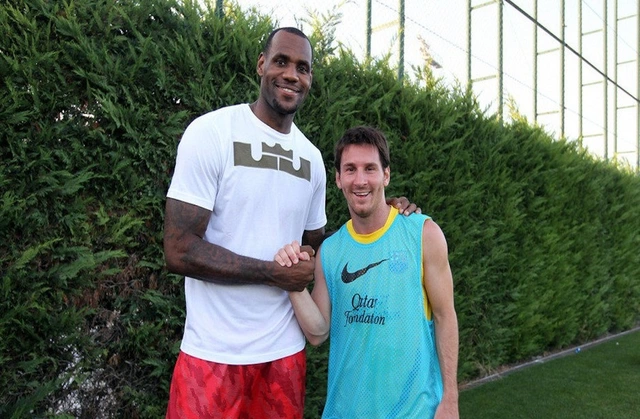
Who is more famous, Lionel Messi or LeBron James?
Lionel Messi and LeBron James are two of the most famous athletes in the world. Messi is widely regarded as one of the greatest soccer players of all time, while James is a four-time NBA Champion with the Los Angeles Lakers. Both have legions of fans across the globe, but who is more famous? It's difficult to say definitively, but Messi likely has the edge. He has won the Ballon d'Or for the world's best player an incredible six times, and he has helped Barcelona become one of the most successful teams in club soccer history. Meanwhile, James' popularity has waxed and waned over the years, and he is still chasing Michael Jordan's legacy in the NBA. Ultimately, Messi's sustained success on the pitch and global fan base make him the more famous of the two.

Did the Chiefs win it or did the 49ers blow it?
After watching the game, it's a tough call to say if the Chiefs won or if the 49ers blew it. Both teams showed incredible skill, making the game a nail-biter. However, it seemed that the Chiefs took advantage of every opportunity they had to score while the 49ers missed a few crucial plays. In my personal opinion, it was a combination of the Chiefs' aggressive play and the 49ers' minor slip-ups that determined the outcome. Regardless, both teams played a great game that will be remembered for years to come.

Do losing College Football programs have any shot at the top 4?
The article examines the possibility of schools with losing college football programs to make it into the top four. It argues that although such schools face an uphill battle and must overcome a number of obstacles, it is still possible to achieve success. The article discusses the importance of recruiting top players, developing a strong coaching staff and cultivating a winning culture in order to increase the chances of success. It also highlights the importance of financial support and strong leadership in order to help create a winning environment. Ultimately, the article concludes that while it is possible for a school with a losing college football program to make it into the top four, it is an incredibly difficult task and requires a lot of hard work and dedication.
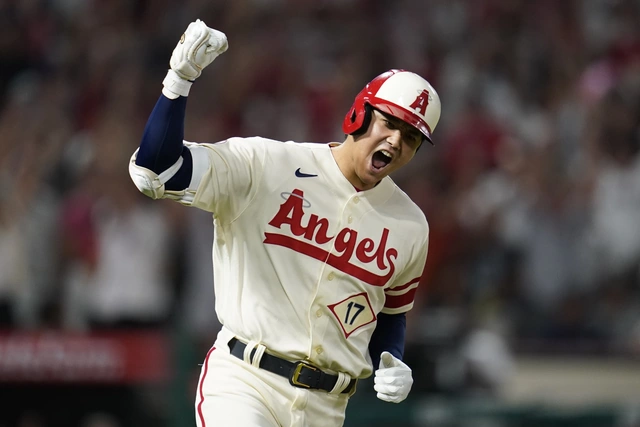
When will Shohei Ohtani become a free agent?
Shohei Ohtani is a two-way baseball player for the Los Angeles Angels who is set to become a free agent in the fall of 2021. He is currently under contract with the Angels until then, and cannot be signed by another team until that point. However, teams can negotiate with Ohtani's representatives prior to the free-agency period, as teams are allowed to negotiate with players who have three or more years of MLB service. Ohtani is expected to be one of the most sought-after free agents next year, and could potentially receive a large contract from a team looking to sign him.
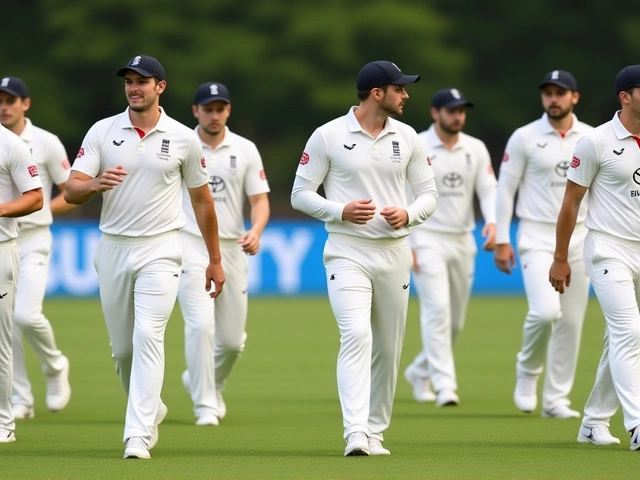
Root leads England without Stokes in New Zealand Test at The Oval
Joe Root captains England without Ben Stokes at The Kia Oval against New Zealand. Three debutants join the squad as England seeks to extend their 1-0 series lead amid off-field controversy.