eSports Commentary and Analysis – Deep Dive into Digital Competition
When exploring eSports Commentary and Analysis, the practice of breaking down competitive video‑gaming matches, player strategies, and audience reactions. Also known as esports analysis, it bridges the gap between digital competition and traditional sports discourse. Unlike traditional sports, physical contests such as football, rugby, or athletics, eSports leans on cognitive skill, quick decision‑making, strategic planning, and precise hand‑eye coordination. This contrast fuels the ongoing question: why isn’t eSports accepted as readily as active sports? The answer sits in three linked ideas: physicality, mental gymnastics, and audience bias. Physicality (the sweat, the muscle) shapes public perception; mental gymnastics (the split‑second tactics) showcase a different kind of athleticism; audience bias (the legacy of stadium culture) colors the debate. These three form a semantic chain where eSports Commentary and Analysis encompasses acceptance debates, requires cognitive skill, and is judged through the lens of traditional sports.
Why the Debate Matters for Players and Fans
Understanding the acceptance gap matters because it drives funding, sponsorship, and career longevity for gamers. When commentators highlight the strategic depth of a League of Legends match, they are providing evidence that the mental demands mirror those of a chess grandmaster or a quarterback reading a defense. This evidence reshapes the narrative: if viewers see that strategic insight, layered game plans and adaptive tactics is as compelling as a coach’s playbook, the stigma weakens. Moreover, the portrayal of eSports through high‑quality analysis attracts new fans who might otherwise dismiss a screen‑based contest as "just a video game". By linking performance metrics, viewer statistics, and player health data, analysts create a tangible bridge to the world of traditional sports where numbers and narratives already dictate credibility. In short, the commentary does three things: it educates the audience, validates the skill set, and opens doors for institutional support.
Below you’ll find a curated collection of posts that tackle these angles head‑on. One article asks why eSports isn’t as accepted as active sports, dissecting the physical‑versus‑mental argument with real‑world examples. Others explore how fan perception shifts when analysts break down game mechanics the same way a football pundit explains a formation. Whether you’re a gamer curious about legitimacy, a sports fan wondering where the line is drawn, or a marketer looking for persuasive talking points, the pieces ahead give concrete perspectives, data‑backed arguments, and actionable takeaways. Dive in and see how the conversation evolves across the community.
Why isn't eSports as accepted as active sports?
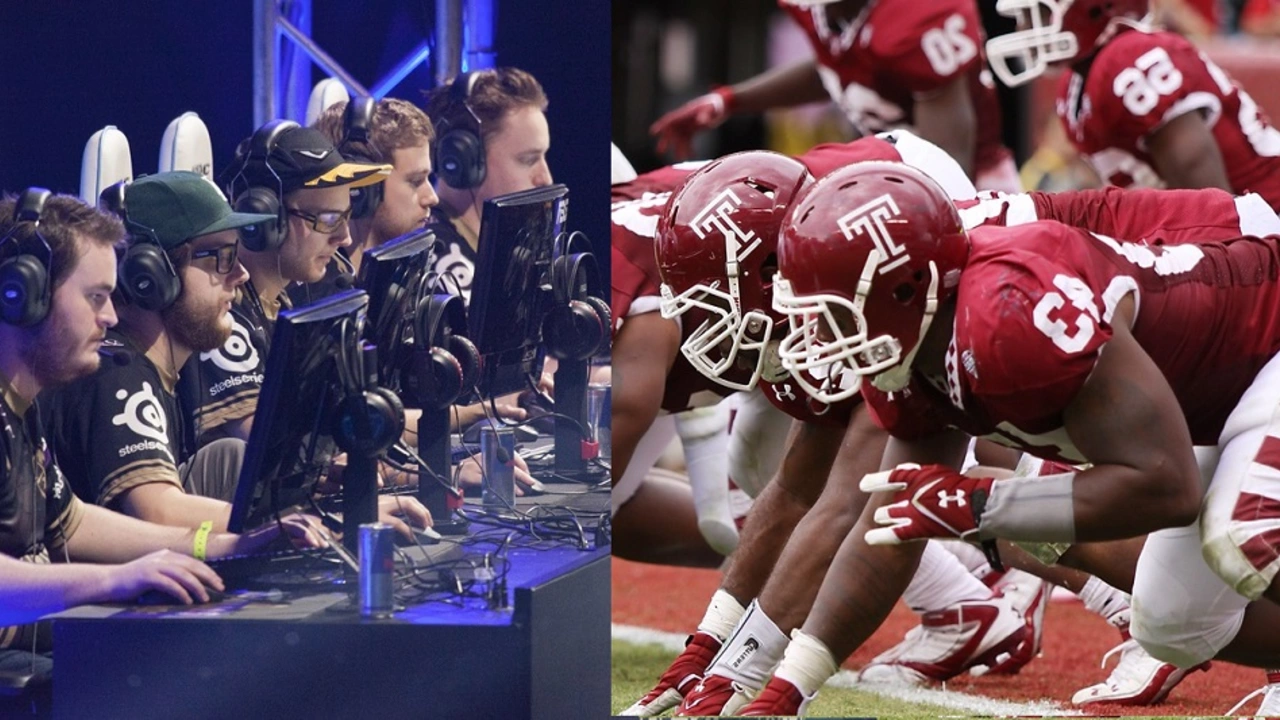
Hey folks, let's dive into this spicy salsa of a topic - Why isn't eSports as accepted as active sports? It's like trying to convince your grandma that your digital art is as real as her oil paintings! Well, the first hurdle is the physicality, or lack thereof. Traditional sports fans are often skeptical about watching folks play video games, missing the sweat and muscles flexing. But, let's not forget, eSports require serious mental gymnastics and finger dexterity! So next time you're defending eSports, flex those brainy biceps and remember, not all games need a ball and a field!
Categories
RECENT POSTS
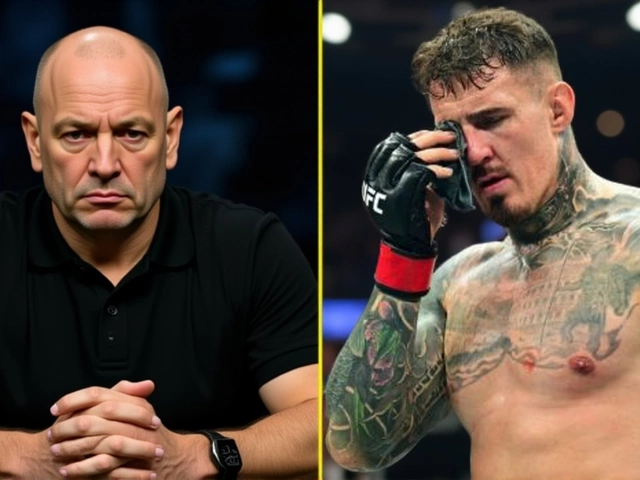
Dana White Orders Immediate Aspinall‑Gane Rematch After UFC 321 Eye‑Poke
Dana White orders an immediate Tom Aspinall‑Ciryl Gane rematch after a controversial eye‑poke stopped UFC 321, promising a showdown within 90 days.
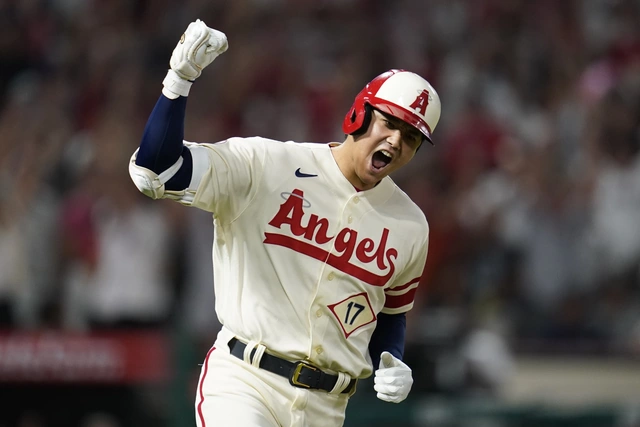
When will Shohei Ohtani become a free agent?
Shohei Ohtani is a two-way baseball player for the Los Angeles Angels who is set to become a free agent in the fall of 2021. He is currently under contract with the Angels until then, and cannot be signed by another team until that point. However, teams can negotiate with Ohtani's representatives prior to the free-agency period, as teams are allowed to negotiate with players who have three or more years of MLB service. Ohtani is expected to be one of the most sought-after free agents next year, and could potentially receive a large contract from a team looking to sign him.
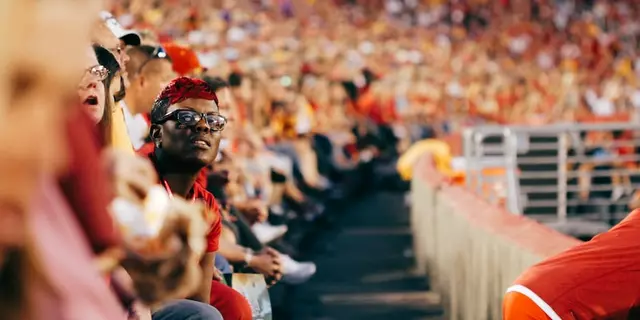
Do losing College Football programs have any shot at the top 4?
The article examines the possibility of schools with losing college football programs to make it into the top four. It argues that although such schools face an uphill battle and must overcome a number of obstacles, it is still possible to achieve success. The article discusses the importance of recruiting top players, developing a strong coaching staff and cultivating a winning culture in order to increase the chances of success. It also highlights the importance of financial support and strong leadership in order to help create a winning environment. Ultimately, the article concludes that while it is possible for a school with a losing college football program to make it into the top four, it is an incredibly difficult task and requires a lot of hard work and dedication.

Why is the LA Lakers-Boston Celtics rivalry the best in sports?
The LA Lakers and Boston Celtics have a storied rivalry that dates back to the 1960s. The two teams have met in the NBA finals 12 times, with the Lakers winning nine of those matchups. The rivalry is not just based on the number of championships won, but also on the personal battles between the teams' stars. The Lakers and Celtics have featured some of the greatest players in NBA history, such as Magic Johnson, Larry Bird, Kobe Bryant, and Kevin Garnett. The Lakers and Celtics continue to battle for supremacy in the NBA, and their storied rivalry is regarded as the best in sports.