Breaking Down the Misunderstandings for eSports
In a world that is constantly evolving and digitalising, the question of "Why aren't eSports as accepted as traditional, active sports?" has long puzzled me. As a parent and a blogger, I've had some interesting experiences and exchanges around this very topic. Not only with my son Keegan, who is an avid gamer, but also with Max, our Golden Retriever, who loves watching the dazzling graphics on screen, albeit probably for different reasons than humans do.
I think it's high time we shine a spotlight on this issue, dissecting why there is a perceived divide between acceptance levels for eSports and traditional sports. Don't worry though, no actual dissection will occur. I'd have to chase Max around the house to retrieve his favorite squeaky toy first, which is honestly more cardio than I've done all year.
Understanding What eSports Really Is
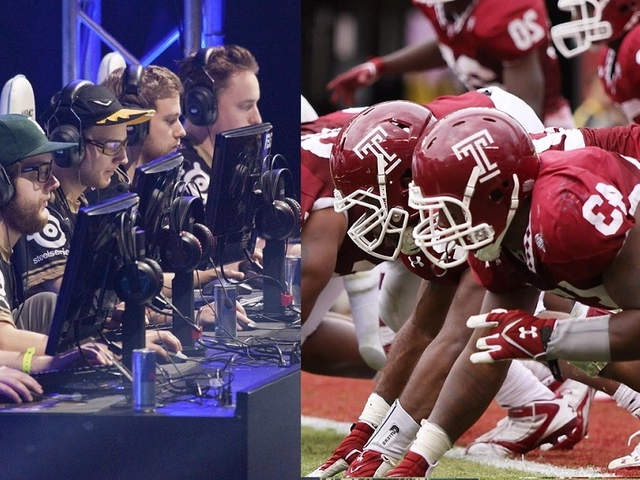
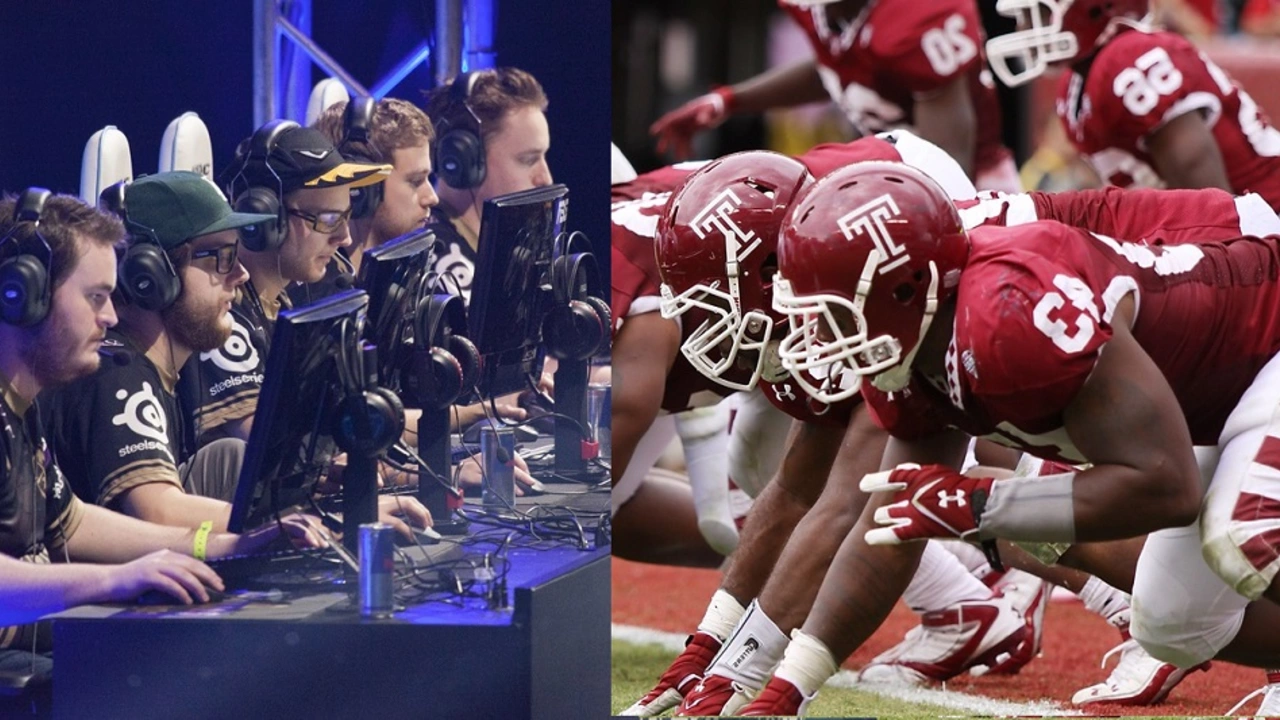
Before we delve into the topic of acceptance, it's essential to understand what eSports really is. eSports, short for electronic sports, is competitive gaming at the professional level. Now, I know it might sound strange to some. I mean, how could sitting in front of a console possibly compete with running laps on a field, right? But imagine the strategic mind games in chess, add a dash of adrenaline, and you've got your game of Fortnite. The digital universe has added an entirely new layer to the idea of competition, and yes, it's just as exciting as a football match, especially if you're holding the controller!
The Physicality Predicament
Let's dive into one of the major arguments against eSports: the lack of physical activity. Sports, as we traditionally know them, are heavily rooted in athleticism and physical prowess. That's why you won't see me sprinting up a hill any time soon, even though I've been trying to convince Keegan that I'm secretly training for a marathon. Now, I agree that physical activity is vital, and even as a dad who spends most of his day typing away at a keyboard, I ensure I get my daily dose of movement. However, the claim that eSports has no physical component is misleading.
First off, the dexterity and reaction speed required in eSports ate enough to make a cheetah feel incompetent. Gamer's reflexes are tested and honed to levels that would make a martial artist proud. Second, from a health standpoint, professional eSports players often have fitness regimes. Forget the stereotype of a gamer huddled over their console, snack-littered environment; say hello to fitness-trained individuals with rigorous schedules and diets. They also exercise their minds, employing strategic and tactical thinking, often operating under high-pressure situations. So, who's to say that eSports doesn't demand certain physicalities?
Parsing the Popularity
Popularity and spectatorship are huge in establishing a sport's importance. Traditional sports have had centuries to build their fanbase, inherent community bonds, and even rivalries. eSports on the other hand, is relatively young, but that doesn't discredit its growing popularity. With platforms like Twitch and other streaming services, eSports has been garnering substantial viewership numbers.
In fact, The 2019 League of Legends Championship Final managed to pull in a staggering 37.5 million unique viewers. To put that in perspective, the NHL Stanley Cup finals of the same year only managed to pull 18.02 million. Now, I'm not saying eSports is more popular, but these numbers do suggest an impressive growth. And hey, I'm all for enjoying the game from the comfort of my couch; saves me from the mad scramble for parking, overpriced hot dogs, and Max getting upset because we left him at home alone.
Monetary Matters
Let's talk about money. It's no secret that traditional sports have a significant financial footprint. But does that make them inherently more valuable? Aren't we past judging a profession's worth by its associated monetary value, especially when there is plenty of money flowing in the world of eSports as well. Professional gamers compete for prize pools that run into millions of dollars. The highest-paid eSports player, Johan Sundstein, famously known as N0tail, has reportedly earned over $7.4 million from eSports. Surely, that ought to twist some eyebrows.
The Recognition Rumble
The recognition from official bodies plays a crucial role in legitimizing eSports. Several countries have already taken big strides by accepting eSports as a legitimate form of sport, offering athlete visas to professional gamers. International Olympic Committee (IOC) has also recognized it as a sport, and it is set to be a medal event at the 2022 Asian Games. If Keegan ever brings home a gold medal from eSports, you bet I'll be the proudest dad in Vancouver, possibly wearing the medal to the grocery store myself.
Building Bridges not Walls
To conclude, the question of acceptance isn’t about devaluing traditional sports or inflating the importance of eSports. It's about recognizing that the world is changing. Both forms of sport can coexist and both pose their unique challenges and benefits. We shouldn't be building walls around what we perceive as true sport, but building bridges to what the future of competition could look like.
Being stuck in the "traditional" way of thinking can only stunt the progression of our society. So, whether it’s my son Keegan clicking away on his mouse, weaving strategies in League of Legends, or it's Max chasing his tail in unstoppable determination, let's appreciate the passion, the skill and the dedication involved. Because in the end, isn’t that what sports all about?