Sports History and Origins: Discover Where Games Began
When exploring Sports History and Origins, the study of how different games started and spread across the world, you quickly see why knowing the roots matters. Also known as game provenance, it helps fans connect with culture and tradition. Understanding Sports History and Origins gives you a richer fan experience and a clearer view of how sport shapes identity.
Every sport carries a piece of its Cultural Heritage, the shared customs and stories of the people who first played it. From the tribal footraces of ancient Kenya to the royal courts of medieval England, the background of a game explains its rules, its language, and its rituals. When you know the cultural backdrop, you can appreciate why a bow‑and‑arrow contest felt sacred or why a stick‑ball match turned into a national pastime.
Ancient games often started as rites or training drills. Sumo wrestling, for instance, grew out of Shinto ceremonies in Japan, while the Greek pentathlon combined running, discus, and javelin to prepare soldiers for battle. Those early forms illustrate a basic semantic triple: Sports History and Origins encompasses ancient games, and those games require ritual significance to survive. The link between ritual and sport still shows up in modern festivals, where a single match can signal the start of a harvest celebration.
Key Examples from Around the Globe
Take Basketball, invented in 1891 by James Naismith in the United States. It began as an indoor activity to keep gym‑class students active during winter, yet its simple rules spread fast to schools worldwide. Then there’s Football, tracing its formal rules to 19th‑century England while its ball‑kicking roots go back thousands of years in China and Mesoamerica. Finally, Badminton, a modern version of the Indian game "Poona" that British officers brought back in the 1860s. Each story shows how a local pastime can become a global phenomenon when it meets the right cultural moment.
The spread of these sports illustrates another semantic link: colonial trade and international competition accelerate the diffusion of games. The British Empire carried cricket to India, Australia, and the Caribbean, while the Olympic Games created a stage for new disciplines to gain legitimacy. When a sport appears on the Olympic roster, it often gains national funding, youth programs, and media coverage, turning a regional hobby into a career path for thousands.
Today fans not only watch matches; they visit museums, attend heritage festivals, and even travel to the birthplaces of their favorite games. A Sports Museum, a space that archives equipment, uniforms, and stories from a sport's early days can turn abstract history into tangible experience. Seeing a wooden racquet from 19th‑century badminton or the original basketball hoop designed by Naismith makes the evolution feel personal, not just academic.
Our collection below mirrors this wide‑ranging curiosity. You’ll find posts like “Can someone name sports and their originated countries?” that map dozens of games to the nations that first played them, plus deep dives into how cultural exchange reshaped each rule set. Whether you’re a casual fan curious about why football uses a round ball or a historian tracing the lineage of martial arts, the articles provide concrete facts, timelines, and anecdotes.
Ready to explore the full archive? Below you’ll discover detailed breakdowns, surprising origin stories, and a fresh perspective on how every match you watch today is rooted in centuries of human creativity and competition.
Can someone name sports and their originated countries?
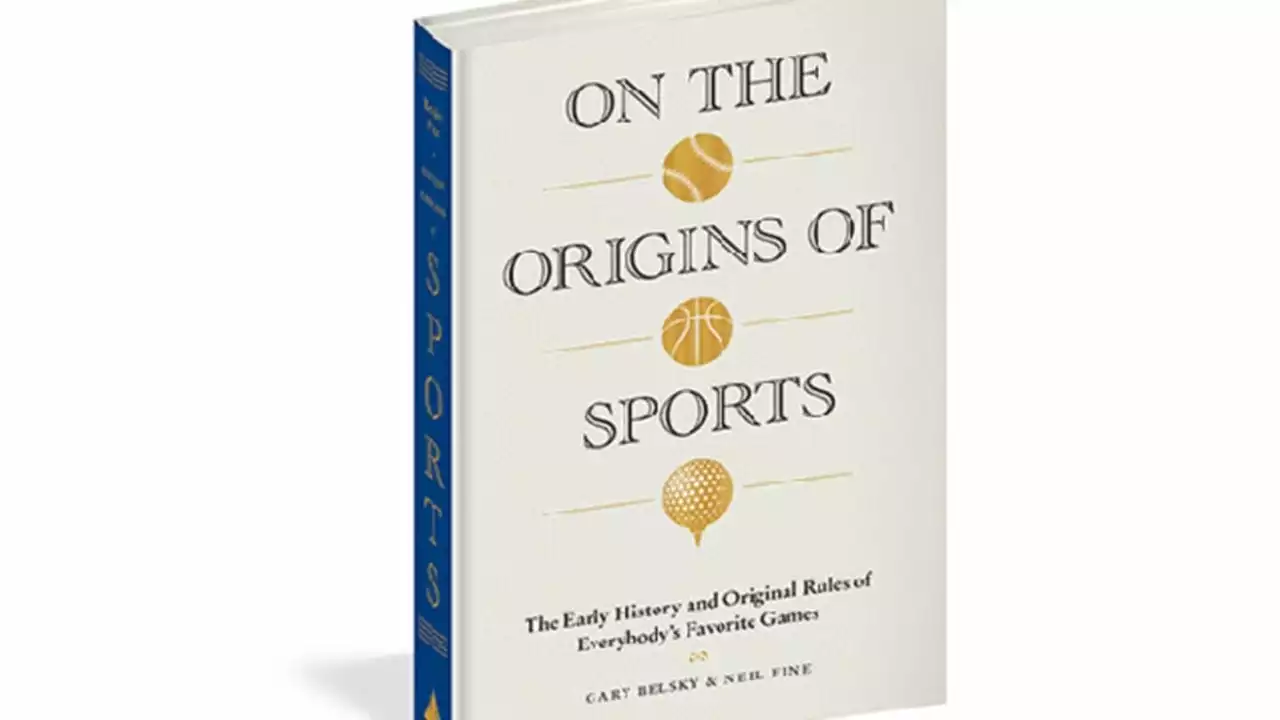
As a sports enthusiast, I've always been curious about the origins of various sports and where they were first played. After doing some research, I discovered that basketball was invented in the United States, soccer (or football) traces back to England, and table tennis, also known as ping pong, originated in Victorian England. Moreover, the modern version of badminton comes from India, while sumo wrestling has a long history in Japan. It's truly fascinating to see how sports have evolved and spread across the globe, bringing people together through the spirit of competition and camaraderie.
Categories
RECENT POSTS
How many Asians are playing in the NFL?
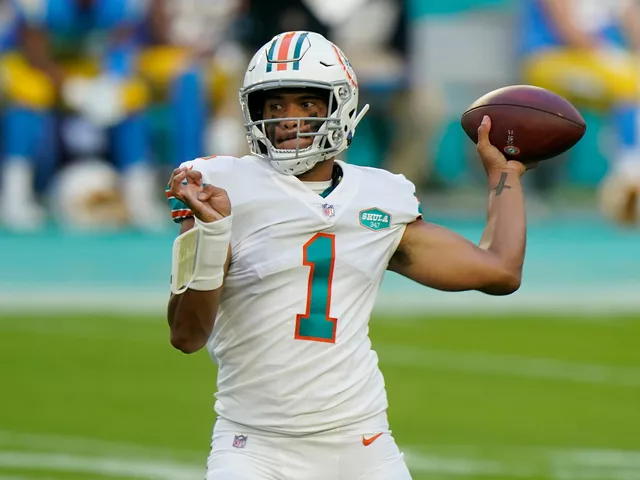
As an NFL enthusiast, I've noticed a gradual increase in the number of Asian players in the league over the years. Although the numbers aren't as high as other ethnic groups, the presence of Asians in the NFL is undeniably growing. This includes players of Asian descent, mixed heritage or those born in Asia. Their representation in the NFL is important as it promotes diversity in the sport. It's great to see the NFL becoming more inclusive and I look forward to seeing even more Asian players make their mark in the league.

Robbie Keane leads Ferencváros to Europa League top three with stunning home win
Irish manager Robbie Keane has led Ferencváros to third place in the 2024/25 Europa League after a 3-1 win over Ludogorets at Budapest's Groupama Arena, marking a historic rise for the Hungarian club under his leadership.

How have sports changed in the last 50-100 years?
Over the last 50-100 years, sports have undergone monumental transformations. Technological advancements have reshaped training, performance, and even the way we watch games, making sports more accessible to the masses. There's been a significant shift in societal attitudes too, with increased inclusion and diversity in athletes, and a growing emphasis on the importance of sports for health and wellbeing. The commercialization of sports has also escalated, turning athletes into celebrities and sports events into billion-dollar industries. Yet, the core essence of sports - the grit, determination, and passion - remains unchanged.

£11.4 Million UK Lotto Jackpot Rolldown Boosts Winners on July 26, 2025
The £11.4 million UK Lotto jackpot rolled down on July 26 2025, upping prizes for 1.6 million winners, while the Thunderball draw hit a £500,000 top prize.
Who is more famous, Lionel Messi or LeBron James?
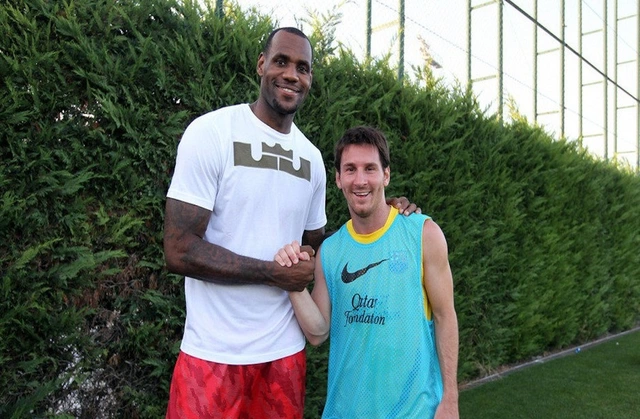
Lionel Messi and LeBron James are two of the most famous athletes in the world. Messi is widely regarded as one of the greatest soccer players of all time, while James is a four-time NBA Champion with the Los Angeles Lakers. Both have legions of fans across the globe, but who is more famous? It's difficult to say definitively, but Messi likely has the edge. He has won the Ballon d'Or for the world's best player an incredible six times, and he has helped Barcelona become one of the most successful teams in club soccer history. Meanwhile, James' popularity has waxed and waned over the years, and he is still chasing Michael Jordan's legacy in the NBA. Ultimately, Messi's sustained success on the pitch and global fan base make him the more famous of the two.