Century Sports Transformation
When talking about Century Sports Transformation, the sweeping changes in how games are played, watched, and managed over the last hundred years. Also known as sports evolution, it covers everything from equipment upgrades to new digital formats. A major player in this shift is eSports, competitive video‑gaming that now draws stadium crowds and massive online audiences. Another driver is sports diversity, the growing representation of different ethnicities, genders, and abilities in professional leagues, which pushes clubs to rethink recruitment and fan outreach. Finally, sports origins, the historical roots of each game that influence modern rule‑making give us context for why today’s changes matter.
One easy way to see the transformation is to compare old‑school football with today’s global league. A century ago, local clubs played on muddy pitches with leather balls that swelled when wet. Now, high‑tech stadiums use climate‑controlled fields and lightweight synthetic balls that stay consistent in any weather. This technical upgrade is a clear example of the Century Sports Transformation triple: technology improves equipment, equipment boosts performance, and performance raises fan expectations.
Key Drivers of Sports Change
First, digital competition reshapes the fan experience. eSports tournaments fill arenas that once hosted only physical sports, proving that spectators crave fast‑paced, interactive action. Streaming platforms let fans watch a match from their phone while betting in real time, blurring the line between observer and participant. This shift forces traditional leagues to adopt live‑stats apps, augmented‑reality replays, and social‑media‑driven storytelling.
Second, diversity accelerates market growth. When the NFL highlighted Asian players, it sparked new viewership in Asian markets, encouraging sponsors to fund grassroots programs. Likewise, women’s soccer leagues have attracted record crowds after clubs invested in equitable pay and marketing. These moves show the semantic link: sports diversity expands audience reach, which fuels revenue, which in turn funds further inclusion.
Third, understanding origins helps leagues modernize rules responsibly. Take rugby: its 19th‑century scrum was dangerous, so rule‑makers trimmed it for safety. By respecting heritage while applying medical insights, the sport stays true to its roots yet stays relevant. This relationship—sports origins inform rule updates that improve safety and appeal—keeps fans engaged across generations.
Health considerations also play a part in the century‑long shift. Articles on cardiac arrest prevention remind athletes that conditioning matters as much as skill. Clubs now employ full‑time nutritionists and mental‑health coaches, turning wellness into a competitive edge. This ties back to transformation: better health protocols lead to longer careers, which enriches the sport’s storylines and deepens fan loyalty.
Rivalries illustrate how tradition fuels modern hype. The Lakers‑Celtics saga, for example, started in the 1960s but still drives TV ratings because the narrative has been refreshed with new stars, social media debates, and global marketing campaigns. Such enduring matchups prove that history and innovation can coexist, reinforcing the central idea that Century Sports Transformation is both a legacy and a future‑forward process.
All these threads—digital competition, diversity, origins, health, and rivalries—intersect to create the dynamic landscape you’ll see in the posts below. Whether you’re curious about eSports acceptance, the rise of Asian athletes in the NFL, or how classic games were first invented, the collection gives you practical examples of transformation in action. Dive in to see how each piece fits into the bigger picture of sports evolving across the century.
How have sports changed in the last 50-100 years?

Over the last 50-100 years, sports have undergone monumental transformations. Technological advancements have reshaped training, performance, and even the way we watch games, making sports more accessible to the masses. There's been a significant shift in societal attitudes too, with increased inclusion and diversity in athletes, and a growing emphasis on the importance of sports for health and wellbeing. The commercialization of sports has also escalated, turning athletes into celebrities and sports events into billion-dollar industries. Yet, the core essence of sports - the grit, determination, and passion - remains unchanged.
Categories
RECENT POSTS

How have sports changed in the last 50-100 years?
Over the last 50-100 years, sports have undergone monumental transformations. Technological advancements have reshaped training, performance, and even the way we watch games, making sports more accessible to the masses. There's been a significant shift in societal attitudes too, with increased inclusion and diversity in athletes, and a growing emphasis on the importance of sports for health and wellbeing. The commercialization of sports has also escalated, turning athletes into celebrities and sports events into billion-dollar industries. Yet, the core essence of sports - the grit, determination, and passion - remains unchanged.

Do losing College Football programs have any shot at the top 4?
The article examines the possibility of schools with losing college football programs to make it into the top four. It argues that although such schools face an uphill battle and must overcome a number of obstacles, it is still possible to achieve success. The article discusses the importance of recruiting top players, developing a strong coaching staff and cultivating a winning culture in order to increase the chances of success. It also highlights the importance of financial support and strong leadership in order to help create a winning environment. Ultimately, the article concludes that while it is possible for a school with a losing college football program to make it into the top four, it is an incredibly difficult task and requires a lot of hard work and dedication.
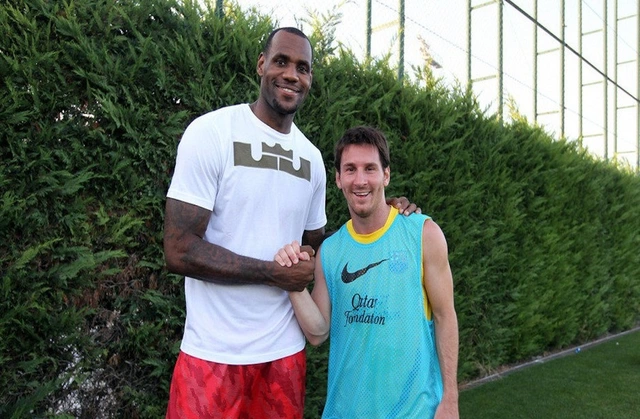
Who is more famous, Lionel Messi or LeBron James?
Lionel Messi and LeBron James are two of the most famous athletes in the world. Messi is widely regarded as one of the greatest soccer players of all time, while James is a four-time NBA Champion with the Los Angeles Lakers. Both have legions of fans across the globe, but who is more famous? It's difficult to say definitively, but Messi likely has the edge. He has won the Ballon d'Or for the world's best player an incredible six times, and he has helped Barcelona become one of the most successful teams in club soccer history. Meanwhile, James' popularity has waxed and waned over the years, and he is still chasing Michael Jordan's legacy in the NBA. Ultimately, Messi's sustained success on the pitch and global fan base make him the more famous of the two.
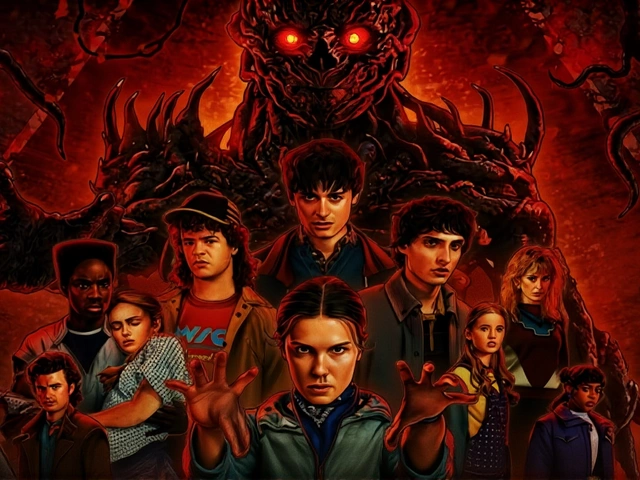
Stranger Things 5 Teaser Reveals Final Battle Against Vecna in Quarantined Hawkins

Crystal Palace 2-0 Wolves: Edwards’ Debut Ends in Defeat as Palace Surge to Fourth, Wolves Hit Historic Low
Crystal Palace beat Wolves 2-0 at Molineux, with goals from Muñoz and Pino, leaving Wolves winless in 12 Premier League games — their worst start since 1930 — while Palace surge to fourth place.