Fame: Understanding Public Recognition and Its Impact
When people talk about fame, the state of being widely known and talked about, often because of achievements, actions, or media exposure. Also known as celebrity status, fame can shape careers, influence opinions, and bring both opportunities and scrutiny. It intertwines with celebrity, a person who enjoys sustained public attention, and with media attention, the flow of information that amplifies a person's visibility. Reputation rounds out the picture, reflecting how audiences judge the famous individual based on behavior and messages. In short, fame encompasses public recognition, it requires media attention, and it influences reputation.
How Fame Plays Out Across Different Worlds
In sports, fame often starts with a standout performance – a winning goal, a record‑breaking sprint, or a dramatic comeback. That moment triggers media attention, which turns the athlete into a public figure and later into a celebrity. Think of the way a footballer’s name can dominate headlines or a boxer’s face appears on billboards. The same pattern shows up in politics: a bold speech, a controversial policy, or a crisis response can catapult a leader into fame. Angela Rayner’s rapid rise and sudden fall illustrate how reputation can swing fast when media attention intensifies. Activists experience a similar cycle; Greta Thunberg’s climate advocacy made her a global household name, but the same spotlight also exposed her to intense scrutiny and allegations. Even business innovators feel the pressure – Dr. Zayda Sheikh’s luxury dental clinic inside Harrods turned a professional reputation into a fame‑driven brand story.
eSports adds a digital twist. Players become famous without ever stepping onto a traditional field; their fame lives in streaming platforms, tournament broadcasts, and fan forums. The debate over whether eSports deserves the same respect as active sports hinges on how media attention shapes public perception of skill and dedication. Meanwhile, health and lifestyle topics generate fame for experts who offer simple, actionable advice. Articles about preventing cardiac arrest or the evolution of sports over a century show that knowledge itself can become a source of fame when the right audience hears it.
All these examples share a core set of relationships: fame requires media attention, media attention shapes public perception, public perception affects reputation, and reputation determines the longevity of fame. Whether the spotlight shines on a football star, a political leader, an activist, or a digital gamer, the pattern stays the same. Understanding these connections helps you see why some stories explode while others fade quietly.
Below you’ll find a curated mix of articles that unpack fame from every angle – from sports legends and political figures to health breakthroughs and the rise of eSports. Each piece shows how public recognition can lift a career, spark debate, or even trigger controversy. Dive in to see how fame works in real life and what it means for anyone looking to navigate the public eye.
Who is more famous, Lionel Messi or LeBron James?
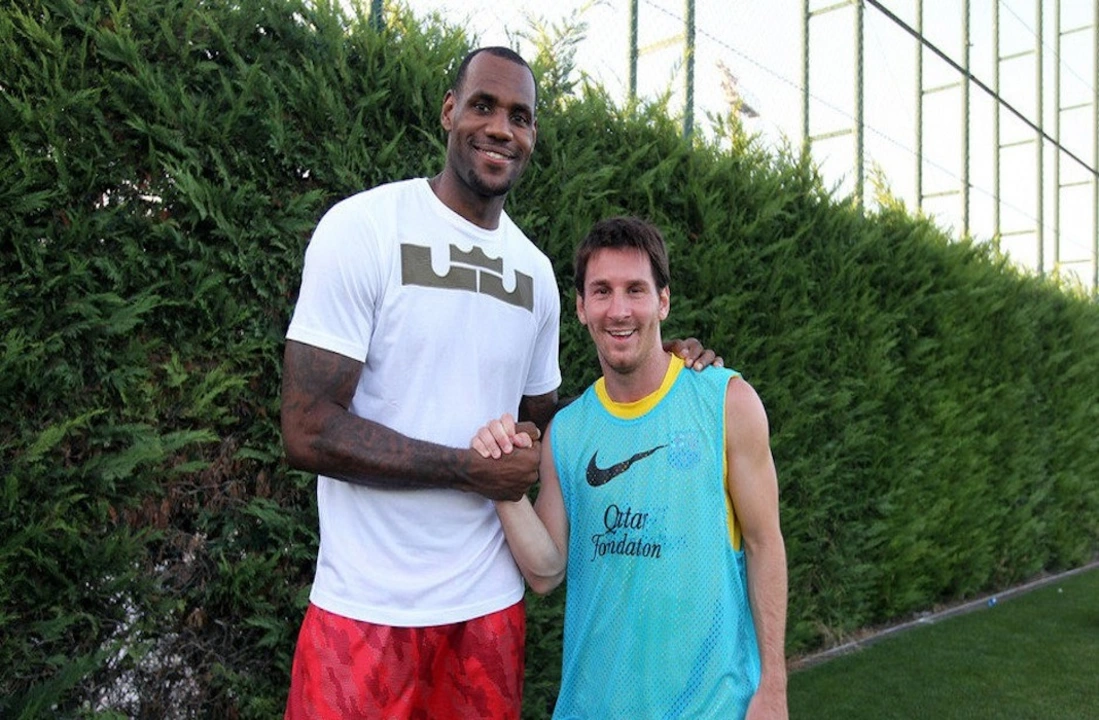
Lionel Messi and LeBron James are two of the most famous athletes in the world. Messi is widely regarded as one of the greatest soccer players of all time, while James is a four-time NBA Champion with the Los Angeles Lakers. Both have legions of fans across the globe, but who is more famous? It's difficult to say definitively, but Messi likely has the edge. He has won the Ballon d'Or for the world's best player an incredible six times, and he has helped Barcelona become one of the most successful teams in club soccer history. Meanwhile, James' popularity has waxed and waned over the years, and he is still chasing Michael Jordan's legacy in the NBA. Ultimately, Messi's sustained success on the pitch and global fan base make him the more famous of the two.
Categories
RECENT POSTS

UK Clocks Jump Forward March 30, 2025 – British Summer Time Begins
The UK shifts to British Summer Time on 30 March 2025 and reverts on 26 October, affecting millions. History, impact and future plans explained.

Escort Services in Dubai: Reality vs. Myth
Escort services in Dubai are often misunderstood. Behind the myths of glamour and allure lies a complex reality of survival, boundaries, and human dignity. Here’s what actually happens.

Escort Services in Aix-en-Provence: What to Know Before You Go
Understanding escort services in Aix-en-Provence means knowing the risks, the law, and the human stories behind them. This guide breaks down what's real, what's dangerous, and what alternatives actually work.
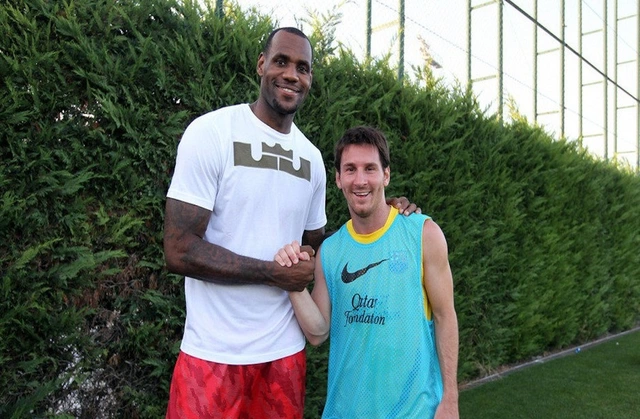
Who is more famous, Lionel Messi or LeBron James?
Lionel Messi and LeBron James are two of the most famous athletes in the world. Messi is widely regarded as one of the greatest soccer players of all time, while James is a four-time NBA Champion with the Los Angeles Lakers. Both have legions of fans across the globe, but who is more famous? It's difficult to say definitively, but Messi likely has the edge. He has won the Ballon d'Or for the world's best player an incredible six times, and he has helped Barcelona become one of the most successful teams in club soccer history. Meanwhile, James' popularity has waxed and waned over the years, and he is still chasing Michael Jordan's legacy in the NBA. Ultimately, Messi's sustained success on the pitch and global fan base make him the more famous of the two.
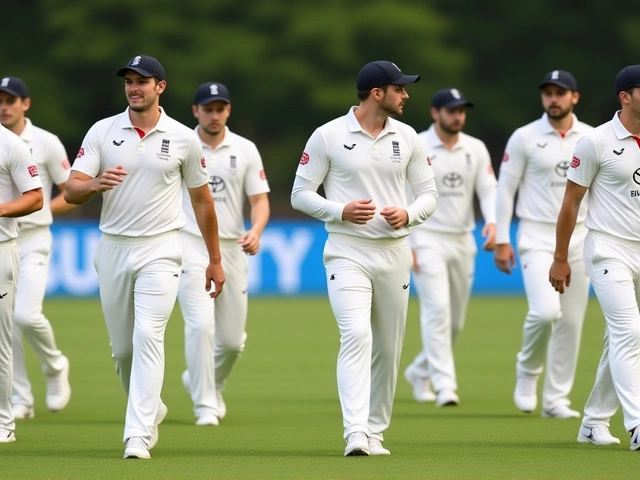
Root leads England without Stokes in New Zealand Test at The Oval
Joe Root captains England without Ben Stokes at The Kia Oval against New Zealand. Three debutants join the squad as England seeks to extend their 1-0 series lead amid off-field controversy.