MLB – Your Go‑to Hub for Major League Baseball
When it comes to MLB, the top professional baseball league in the United States and Canada. Also known as Major League Baseball, it brings together 30 clubs, historic stadiums, and a massive fan community.
At its core, Baseball, a bat‑and‑ball sport played on a diamond shape field. It’s the game that fuels sports clubs, organized groups that field teams and run local leagues across towns and schools. In MLB, each club is a club, each season is an event, and every World Series is a headline‑making sports event that draws global attention.
MLB encompasses three main attributes: a fixed schedule of 162 regular‑season games per team, an intensive playoff structure, and the iconic World Series that crowns the champion. Those attributes require specific tools – stadiums with defined field dimensions, broadcasting networks, and ticketing platforms. The league also demands a talent pipeline, from youth baseball programs to college drafts, creating a constant flow of new players.
Because MLB sits at the intersection of tradition and modern media, it influences community health and local economies. Cities with MLB franchises see higher attendance at youth baseball games, which in turn promotes active lifestyles. The league’s outreach programs also fund school sports clubs, helping kids experience the sport early on. This relationship mirrors how other major leagues, like the NFL, boost participation among under‑represented groups such as Asian athletes.
Compared with eSports, which many still debate as a “real” sport, MLB offers palpable physicality – sprinting, throwing, and catching on a grass field. Yet both share a common thread: they require mental sharpness and strategic thinking. Recognizing this overlap helps fans appreciate why baseball’s strategic depth often draws the same audience that watches high‑level esports tournaments.
Historically, baseball has evolved alongside technology. From early radio broadcasts to today's instant‑replay analytics, each innovation reshapes how teams train and fans engage. This evolution mirrors the broader changes in sports over the past century, where data‑driven coaching and global fan bases have become the norm.
Below you’ll find a curated collection of articles that dive into these topics. Whether you’re curious about the business side of MLB, looking for tips on joining a local sports club, or interested in how baseball compares to other fast‑growing sports, the posts ahead cover a wide range of angles. Keep reading to discover practical insights, historical anecdotes, and fresh perspectives that will deepen your connection to the game.
When will Shohei Ohtani become a free agent?
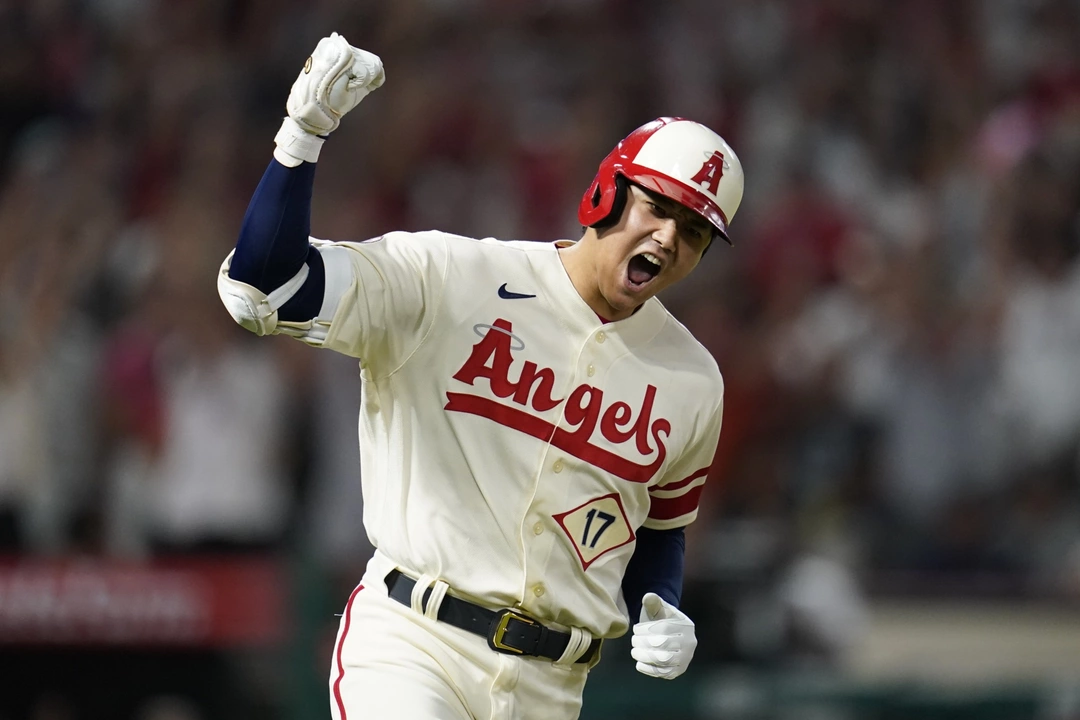
Shohei Ohtani is a two-way baseball player for the Los Angeles Angels who is set to become a free agent in the fall of 2021. He is currently under contract with the Angels until then, and cannot be signed by another team until that point. However, teams can negotiate with Ohtani's representatives prior to the free-agency period, as teams are allowed to negotiate with players who have three or more years of MLB service. Ohtani is expected to be one of the most sought-after free agents next year, and could potentially receive a large contract from a team looking to sign him.
Categories
RECENT POSTS

Crystal Palace 2-0 Wolves: Edwards’ Debut Ends in Defeat as Palace Surge to Fourth, Wolves Hit Historic Low
Crystal Palace beat Wolves 2-0 at Molineux, with goals from Muñoz and Pino, leaving Wolves winless in 12 Premier League games — their worst start since 1930 — while Palace surge to fourth place.
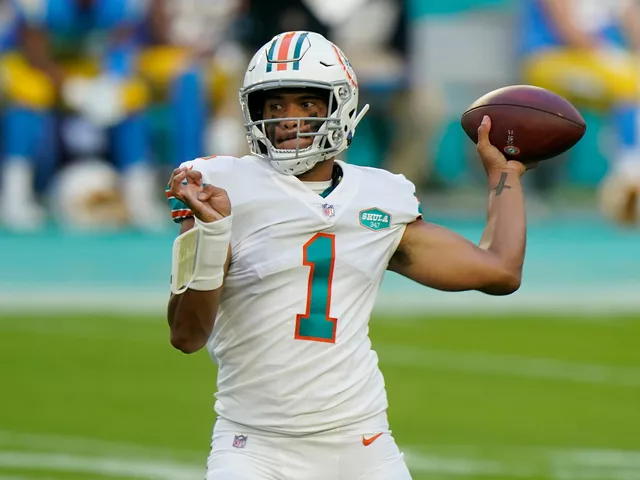
How many Asians are playing in the NFL?
As an NFL enthusiast, I've noticed a gradual increase in the number of Asian players in the league over the years. Although the numbers aren't as high as other ethnic groups, the presence of Asians in the NFL is undeniably growing. This includes players of Asian descent, mixed heritage or those born in Asia. Their representation in the NFL is important as it promotes diversity in the sport. It's great to see the NFL becoming more inclusive and I look forward to seeing even more Asian players make their mark in the league.
Can someone name sports and their originated countries?
As a sports enthusiast, I've always been curious about the origins of various sports and where they were first played. After doing some research, I discovered that basketball was invented in the United States, soccer (or football) traces back to England, and table tennis, also known as ping pong, originated in Victorian England. Moreover, the modern version of badminton comes from India, while sumo wrestling has a long history in Japan. It's truly fascinating to see how sports have evolved and spread across the globe, bringing people together through the spirit of competition and camaraderie.

Charlie Kirk: Erika Kirk vows her husband's voice will remain after reported Utah campus attack
Erika Kirk delivered an emotional message after reports of an attack involving her husband, Charlie Kirk, at a Utah university. She vowed to carry on his mission through Turning Point USA and said his work to strengthen families would continue. Authorities say they are reviewing evidence and have made an arrest, but full details remain unconfirmed. Reactions poured in across conservative networks.

How can one prevent cardiac arrest?
Alright folks, let's dive into the heart of the matter - how to prevent cardiac arrest! It's not rocket science, but more like a tango with your ticker. First, exercise is your heart's best friend - a brisk walk or a quick jog can work wonders, making your heart stronger than a love-struck teenager. Secondly, eat smart, because your heart needs fuel but not the junk kind; think fruits, veggies, whole grains and lean proteins. Lastly, smoking and excessive drinking are the mean kids on your heart's playground, so it's better to avoid them. So, let's keep our hearts happy and healthy, because, you know, they're kinda important!