Originated Countries
When we talk about originated countries, the nations where a story, event or person first emerges, we’re really looking at the geographic roots that give context to everything we read. Also known as country of origin, the official birthplace or launch point of an incident or idea, this concept helps us connect dots between local culture and global impact. Knowing the originated country of a news piece, a sports achievement or a cultural trend lets you gauge why it matters, who’s involved, and how it might spread.
One key related idea is global events, major happenings that cross borders and affect many nations. A protest that starts in one originated country can inspire similar movements worldwide, as we saw with the recent Gaza aid activist cases. Another entity, international sports, competitions where athletes represent their home nations, shows how country origins shape fan loyalties, media coverage, and even political discourse. Finally, cultural origins, the historical and artistic roots of a practice or product, give depth to stories about fashion, food, or digital trends.
Why country origins matter
Understanding an originated country gives you three practical benefits. First, it provides context: a policy announced in the UK carries different weight than the same policy in a small island nation. Second, it hints at audience reaction: fans of a football club will celebrate a win differently if the player’s country of origin matches theirs. Third, it helps trace influence: the rise of Asian players in the NFL shows how cultural origins can shift league demographics and open new markets. In short, originated countries influence perception, engagement, and future developments across all content types.
Take the story about a dental clinic opening inside Harrods. The originated country—England—adds prestige because Harrods is a globally recognized brand. The same concept in another country might not carry the same luxury signal. Similarly, the debate on why eSports aren’t accepted as active sports often references the originated country of traditional sport fans, noting that cultural expectations differ between the US and East Asian markets. By linking each article to its country of origin, you can see patterns: political turmoil, business innovation, and sports evolution all have geographic fingerprints.
What you’ll find in the collection below is a mix of political headlines, health breakthroughs, sports analyses and cultural commentary—all tied back to where they began. Whether you’re tracking how a protest spreads from its originated country or exploring how a new athlete’s heritage reshapes a league, this hub gives you the geographic lens you need. Dive in and see how the place of origin frames the story, the impact, and the next steps.
Can someone name sports and their originated countries?
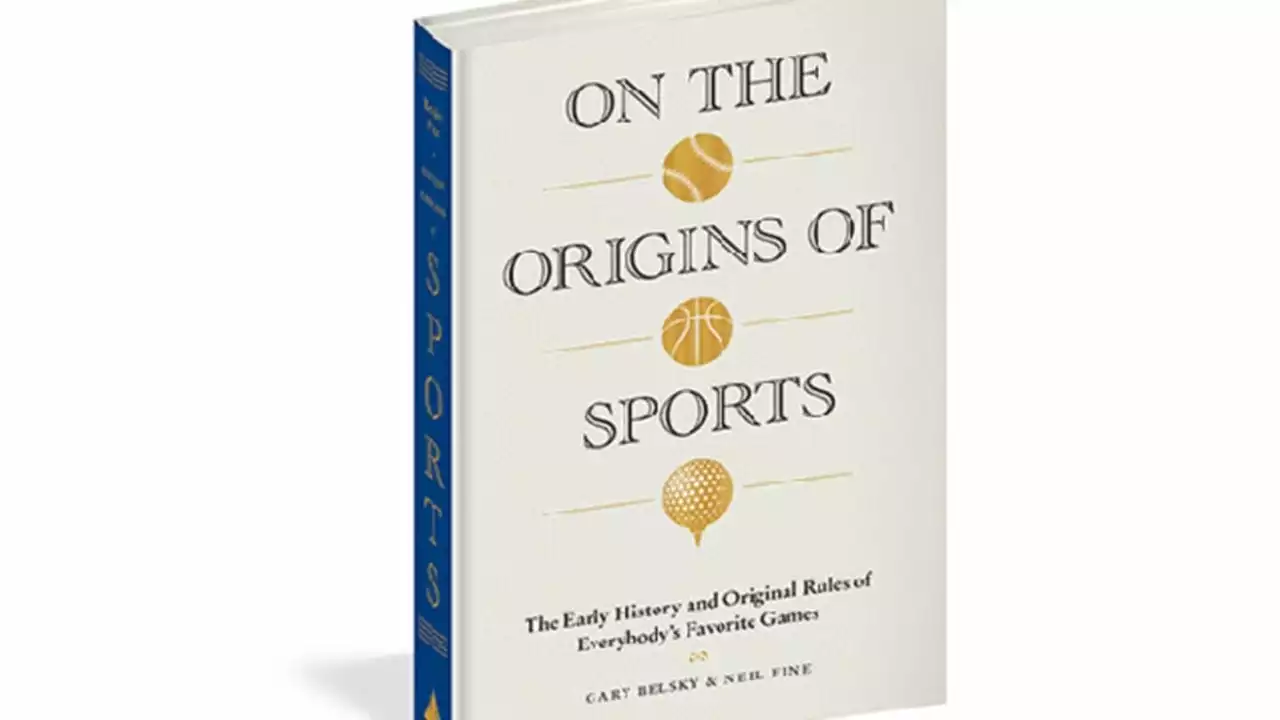
As a sports enthusiast, I've always been curious about the origins of various sports and where they were first played. After doing some research, I discovered that basketball was invented in the United States, soccer (or football) traces back to England, and table tennis, also known as ping pong, originated in Victorian England. Moreover, the modern version of badminton comes from India, while sumo wrestling has a long history in Japan. It's truly fascinating to see how sports have evolved and spread across the globe, bringing people together through the spirit of competition and camaraderie.
Categories
RECENT POSTS
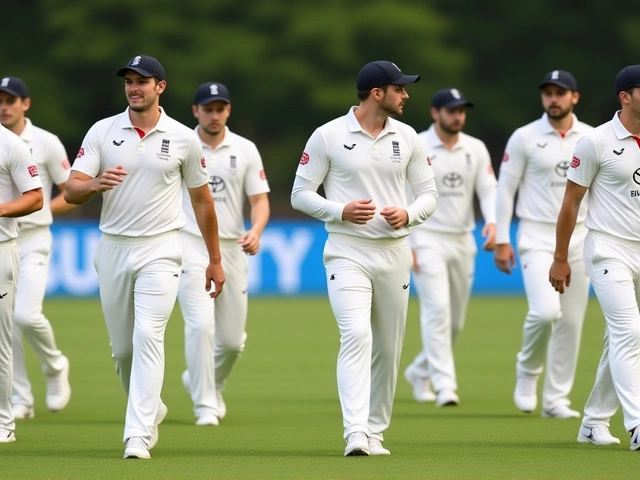
Root leads England without Stokes in New Zealand Test at The Oval
Joe Root captains England without Ben Stokes at The Kia Oval against New Zealand. Three debutants join the squad as England seeks to extend their 1-0 series lead amid off-field controversy.
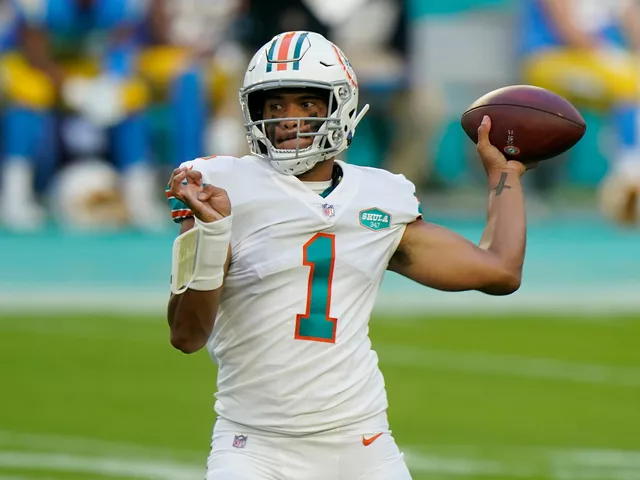
How many Asians are playing in the NFL?
As an NFL enthusiast, I've noticed a gradual increase in the number of Asian players in the league over the years. Although the numbers aren't as high as other ethnic groups, the presence of Asians in the NFL is undeniably growing. This includes players of Asian descent, mixed heritage or those born in Asia. Their representation in the NFL is important as it promotes diversity in the sport. It's great to see the NFL becoming more inclusive and I look forward to seeing even more Asian players make their mark in the league.

Escort Services in Dubai: Reality vs. Myth
Escort services in Dubai are often misunderstood. Behind the myths of glamour and allure lies a complex reality of survival, boundaries, and human dignity. Here’s what actually happens.
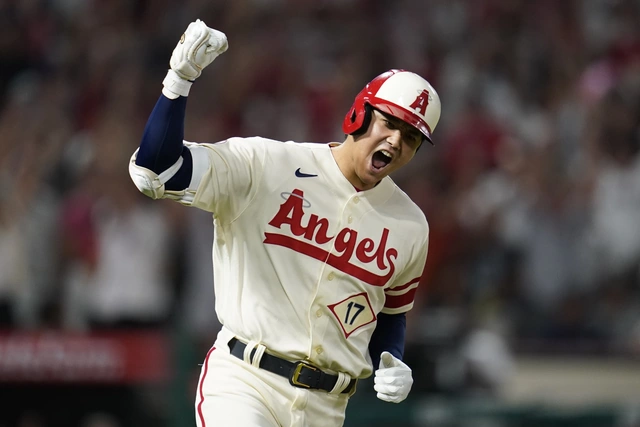
When will Shohei Ohtani become a free agent?
Shohei Ohtani is a two-way baseball player for the Los Angeles Angels who is set to become a free agent in the fall of 2021. He is currently under contract with the Angels until then, and cannot be signed by another team until that point. However, teams can negotiate with Ohtani's representatives prior to the free-agency period, as teams are allowed to negotiate with players who have three or more years of MLB service. Ohtani is expected to be one of the most sought-after free agents next year, and could potentially receive a large contract from a team looking to sign him.
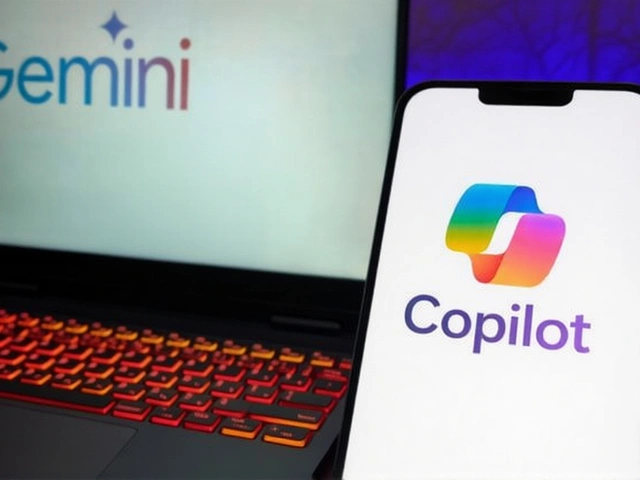
Gemini 2.5 Launch Escalates AI War Between Google and Microsoft in 2025
Google's Gemini 2.5 launch intensifies its AI rivalry with Microsoft Copilot, offering faster, free, multimodal AI with 1M-token context vs. Copilot's 40% Excel productivity gains and enterprise integration — setting up a 2026 showdown over privacy, price, and platform dominance.