Rebound – How to Bounce Back in Sport and Life
When talking about rebound, the act of recovering quickly after a setback or a missed opportunity, especially in sports and personal challenges. Also known as bounce back, it captures the moment you turn a slip into a chance to shine. In basketball, a rebound is grabbing the ball after a missed shot; in health, it’s regaining strength after illness; in any goal‑driven pursuit, it means landing on your feet and pushing forward again. Knowing the core idea of rebound helps you see how every field—from a football match to a cardiac‑health routine—uses the same principle: capture the missed chance and turn it into progress.
Key Forces Behind a Strong Rebound
One of the biggest drivers behind a solid rebound is resilience, the capacity to adapt and keep going despite stress or adversity. Resilience fuels the ability to bounce back, making the difference between a quick recovery and a lingering setback. Alongside resilience, recovery, the process of restoring health, performance, or confidence after a loss supplies the physical and mental groundwork needed for any comeback. Together they create a feedback loop: a successful comeback requires mental toughness, and mental toughness strengthens both resilience and recovery. In practice, athletes use targeted training, nutrition plans, and mindset drills to boost these attributes. The same holds for professionals facing project failures or individuals managing health issues – they lean on structured routines and supportive networks. Semantic connections emerge naturally: rebound encompasses recovery after a setback, resilience drives rebound in sports and life, and mental toughness enables a lasting comeback.
The posts gathered under this tag illustrate how rebound shows up across different arenas. From a heart‑health guide that teaches you how to prevent cardiac arrest (a literal bounce‑back for the body) to a lively debate on why eSports fight for the same respect as traditional sports (a cultural rebound), each piece highlights a facet of bouncing back. You’ll also see stories about public figures facing controversy and how they attempt a comeback, plus insights into how teams like the Chiefs and 49ers experience game‑day rebounds. By scanning the collection below, you’ll pick up practical tips for sharpening resilience, real‑world examples of recovery plans, and the mindset tricks that turn a missed shot into a winning play. Ready to see how the concept of rebound unites these diverse topics? Dive into the articles and discover actionable ideas you can apply today.
Do losing College Football programs have any shot at the top 4?
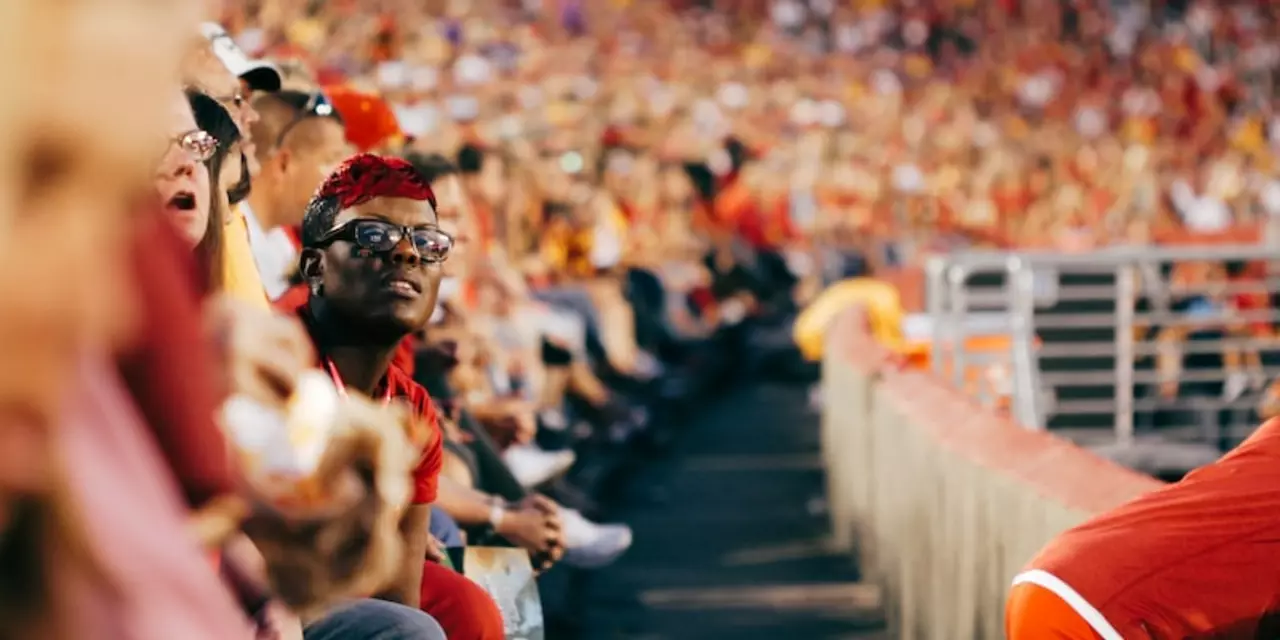
The article examines the possibility of schools with losing college football programs to make it into the top four. It argues that although such schools face an uphill battle and must overcome a number of obstacles, it is still possible to achieve success. The article discusses the importance of recruiting top players, developing a strong coaching staff and cultivating a winning culture in order to increase the chances of success. It also highlights the importance of financial support and strong leadership in order to help create a winning environment. Ultimately, the article concludes that while it is possible for a school with a losing college football program to make it into the top four, it is an incredibly difficult task and requires a lot of hard work and dedication.
Categories
RECENT POSTS

AEW Dynamite Sets Blood & Guts Stage as Allin and Castagnoli Tie Advantage Battle 1-1
AEW Dynamite tied the Blood & Guts advantage battle 1-1 as Megan Bayne and Darby Allin won their matches, while Claudio Castagnoli's victory set up a decisive showdown next week in Houston for entry advantage in the cage match.
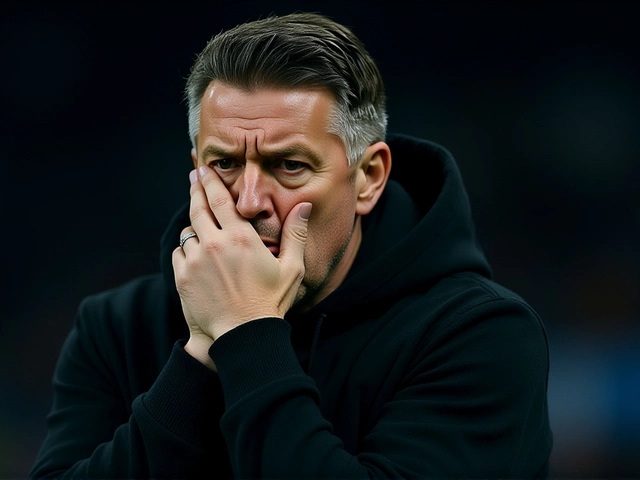
Crystal Palace 2-0 Wolves: Edwards’ Debut Ends in Defeat as Palace Surge to Fourth, Wolves Hit Historic Low
Crystal Palace beat Wolves 2-0 at Molineux, with goals from Muñoz and Pino, leaving Wolves winless in 12 Premier League games — their worst start since 1930 — while Palace surge to fourth place.
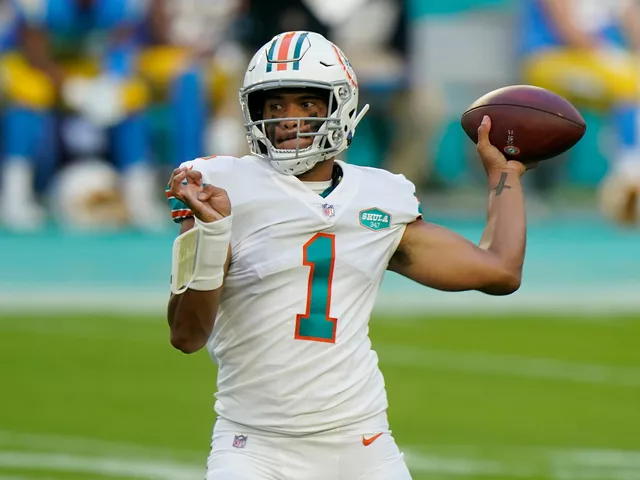
How many Asians are playing in the NFL?
As an NFL enthusiast, I've noticed a gradual increase in the number of Asian players in the league over the years. Although the numbers aren't as high as other ethnic groups, the presence of Asians in the NFL is undeniably growing. This includes players of Asian descent, mixed heritage or those born in Asia. Their representation in the NFL is important as it promotes diversity in the sport. It's great to see the NFL becoming more inclusive and I look forward to seeing even more Asian players make their mark in the league.
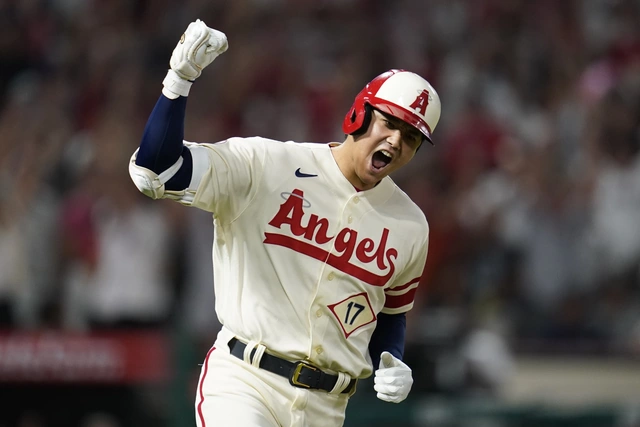
When will Shohei Ohtani become a free agent?
Shohei Ohtani is a two-way baseball player for the Los Angeles Angels who is set to become a free agent in the fall of 2021. He is currently under contract with the Angels until then, and cannot be signed by another team until that point. However, teams can negotiate with Ohtani's representatives prior to the free-agency period, as teams are allowed to negotiate with players who have three or more years of MLB service. Ohtani is expected to be one of the most sought-after free agents next year, and could potentially receive a large contract from a team looking to sign him.

Why is the LA Lakers-Boston Celtics rivalry the best in sports?
The LA Lakers and Boston Celtics have a storied rivalry that dates back to the 1960s. The two teams have met in the NBA finals 12 times, with the Lakers winning nine of those matchups. The rivalry is not just based on the number of championships won, but also on the personal battles between the teams' stars. The Lakers and Celtics have featured some of the greatest players in NBA history, such as Magic Johnson, Larry Bird, Kobe Bryant, and Kevin Garnett. The Lakers and Celtics continue to battle for supremacy in the NBA, and their storied rivalry is regarded as the best in sports.