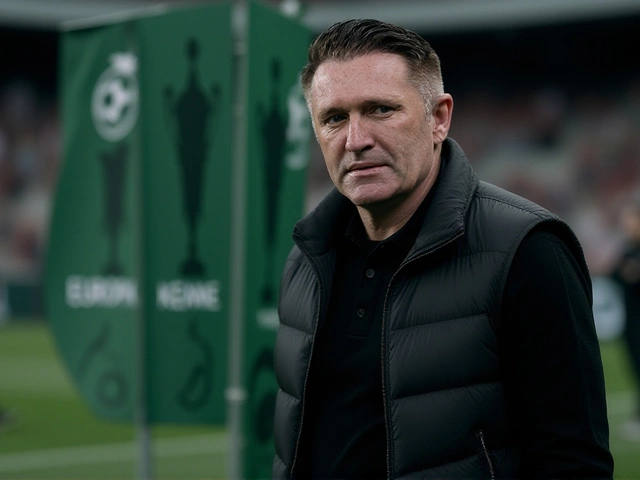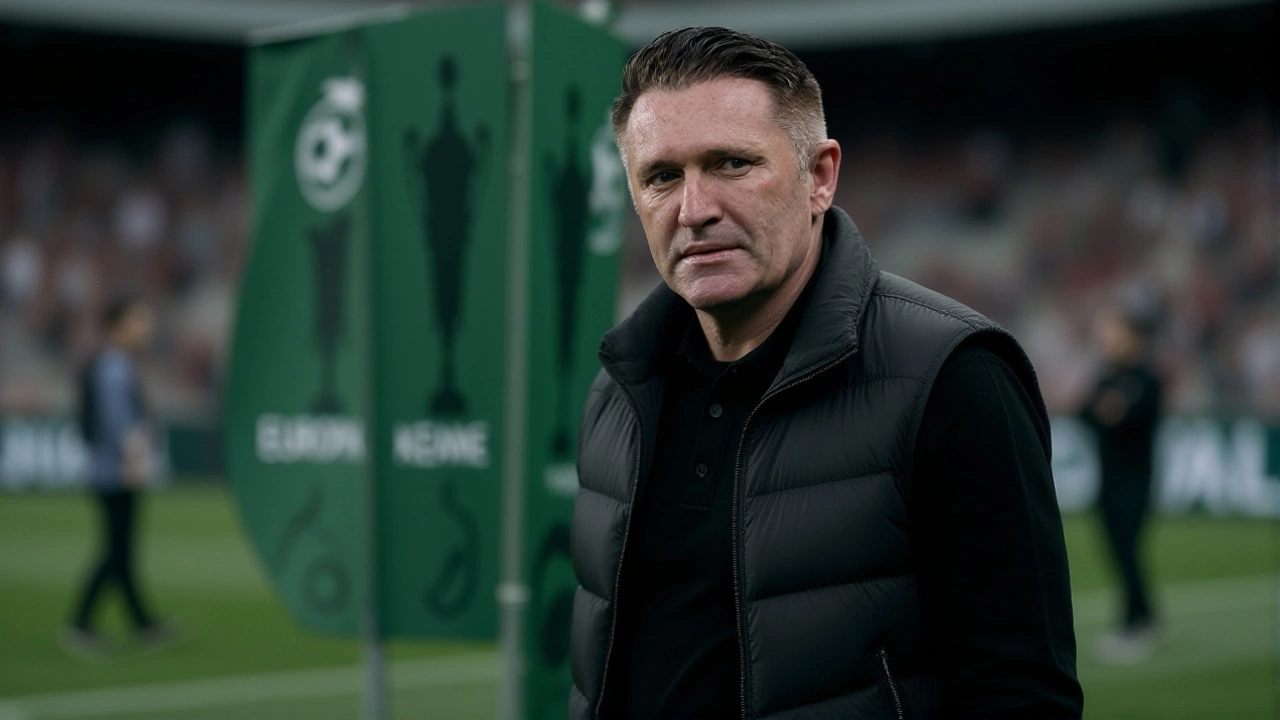
On a chilly November night in Budapest, Robbie Keane stood on the touchline at Groupama Arena, arms crossed, watching his team celebrate a 3-1 victory over Bulgaria’s Ludogorets Razgrad. It wasn’t just another win—it was the moment Ferencvárosi Torna Club officially climbed to third place in the 2024/25 UEFA Europa League standings. The Irishman, 44, who once scored 68 goals for Ireland, is now rewriting the script for Hungarian football. And he’s doing it without a billionaire’s budget.
A Manager Who Knows How to Score
Keane didn’t just play the game—he lived it. As Ireland’s all-time top scorer, he understood pressure, pace, and poise. Now, as a manager, he’s translating that into results. Since taking over Ferencváros in 2022, he’s overseen 48 matches: 29 wins, 12 draws, 7 losses. That’s a 60.4% win rate, extraordinary for a club operating in a league where financial power often dictates outcomes. His side’s 3-1 win over Ludogorets Razgrad on November 28, 2024, wasn’t pretty—it was brutal in its efficiency. Two goals from young Hungarian forward Krisztián Lisztes, plus a clinical strike from Irish midfielder Callum O'Dowda, silenced doubters. The crowd? 23,698 voices roaring like a storm. Keane told UEFA afterward: “The atmosphere is incredible. My players played very well against a top side who...” The quote cuts off, but the meaning doesn’t.Building a European Team on a Budget
Look at the roster. Goalkeeper Dániel Radnóti, 28, Brazilian-born but raised in Hungary. Midfielder Naby Keïta, 30, the former Liverpool star who left the Premier League and chose Budapest over bigger paychecks. Callum O’Dowda, Keane’s countryman, playing in the heart of the park. Even the 20-year-old Lisztes, who scored twice, was a youth academy product. This isn’t a squad bought with oil money. It’s built on scouting, trust, and Keane’s ability to find players who want to prove something. Ferencváros, founded in 1899, has a proud history—but European success has been fleeting. They last reached the Europa League knockout stage in 2020. Now, they’re in it again for 2025/26, making them one of only two Hungarian clubs to qualify for consecutive European campaigns in the last decade. That’s not luck. That’s management.Domestic Struggles, European Brilliance
Here’s the twist: while they’re flying high in Europe, Ferencváros sits a modest fourth in Hungary’s Nemzeti Bajnokság I. They’re not even leading their own league. That’s not a failure—it’s a testament to Keane’s focus. He’s prioritizing the continent, knowing that European exposure brings revenue, prestige, and youth development opportunities. The club’s UEFA coefficient ranking of 17th (as cited by Sport Mediaset) confirms their growing influence, even if domestic results lag. Fans in Budapest notice the difference. “Before Keane, we were happy to just qualify,” said longtime supporter Zoltán Kovács, watching from the upper stands. “Now we expect to win. We believe we can beat anyone here.” And he’s not alone. The Groupama Arena has become a fortress. Three Europa League home wins this season. Zero losses.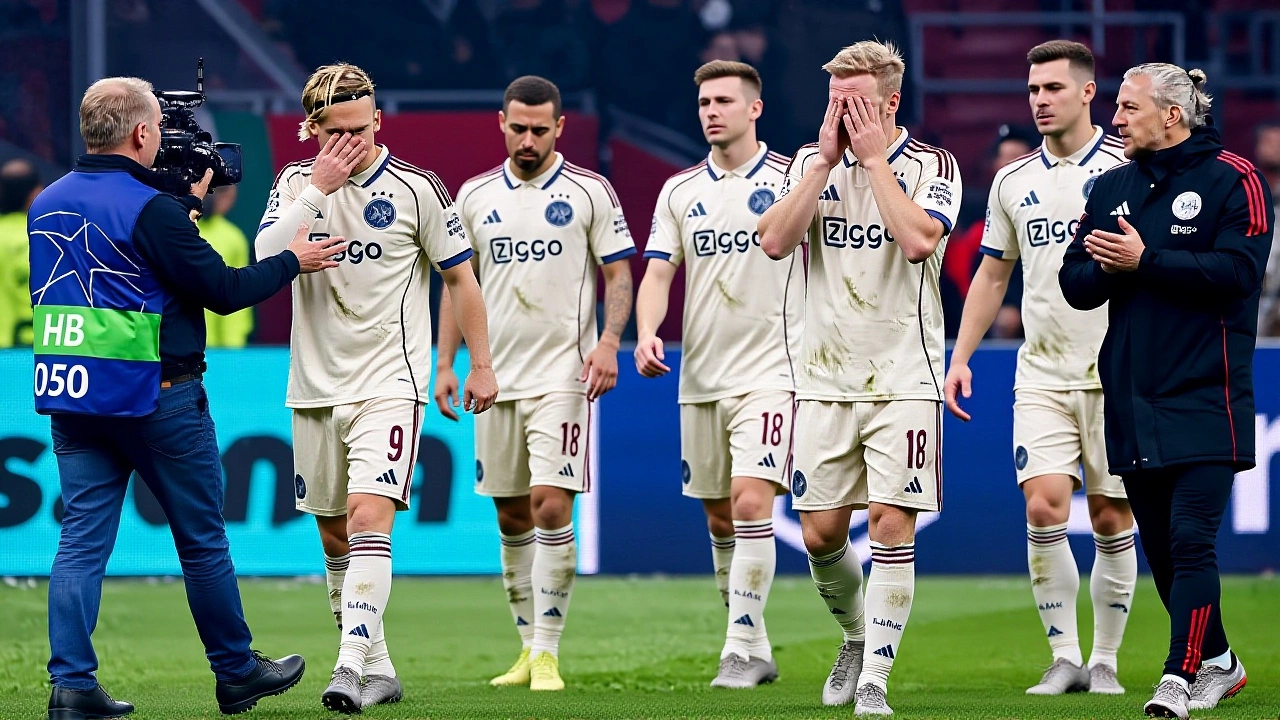
What’s Next for Ferencváros and Keane?
The next hurdle? A potential Europa League knockout draw in February. If they finish in the top three of their group, they avoid the playoff round. A top-two finish? Direct entry into the Round of 16. Keane’s squad is deep enough. Keïta brings experience. O’Dowda brings grit. And the young ones? They’re learning fast. There’s chatter in European circles: could Keane be the next Irish manager to make a big impact abroad? He’s not chasing glamour clubs. He’s building something real. And in a football world obsessed with money, that’s rare.Behind the Scenes: The Squad That Believes
The numbers tell part of the story. The people tell the rest.- Naby Keïta (30, Guinea) — 2 Europa League appearances, a veteran’s calm in midfield.
- Callum O’Dowda (30, Ireland) — 2 goals in 2 Europa League games, a local hero in the making.
- Krisztián Lisztes (20, Hungary) — 3 goals in 4 Europa League matches, the future of the club.
- Dániel Radnóti (28, Brazil/Hungary) — Solid, reliable, born in São Paulo but calls Budapest home.
- Jonathan Levi (29, Sweden) — The unsung engine of the midfield, 2 appearances, 1 assist.
Frequently Asked Questions
How has Robbie Keane managed to make Ferencváros competitive in Europe despite limited funds?
Keane has focused on youth development, smart signings from lower-budget leagues, and building team chemistry over star power. His own playing experience helps him identify players with grit and intelligence. Ferencváros has also benefited from strong local scouting and a culture of high work rate, allowing them to outperform wealthier opponents through discipline and tactical discipline.
Why is Ferencváros performing better in Europe than in Hungary’s domestic league?
The Nemzeti Bajnokság I is highly competitive with three dominant clubs, and Ferencváros lacks the financial muscle to consistently outspend rivals like Budapest Honvéd or MTK Budapest. In Europe, the playing field is more level—tactics, mentality, and preparation matter more than budgets. Keane’s focus on European competition has allowed his squad to peak when it counts most.
What does qualifying for the 2025/26 Europa League mean for Ferencváros?
Qualifying for consecutive Europa League campaigns guarantees over €10 million in UEFA revenue, boosts sponsorship interest, and enhances recruitment. For a club with an annual budget under €30 million, this exposure is transformative. It also validates Keane’s philosophy and gives young players a platform to attract bigger clubs.
Is Callum O’Dowda’s performance a sign of a new Irish expat trend in European football?
O’Dowda’s success in Budapest follows a pattern: Irish players like James McClean and Stephen Ward have thrived abroad when given clear roles. O’Dowda, playing under his compatriot Keane, has found a home where his work ethic and versatility are valued. It’s not a trend yet—but if he continues scoring in Europe, more Irish midfielders may follow.
What’s the significance of the Groupama Arena’s atmosphere in Ferencváros’ success?
The 23,698-seat Groupama Arena, located in Budapest’s 11th district, is one of the loudest stadiums in Eastern Europe. Fans create a wall of noise that unsettles visiting teams—especially those used to sterile, modern arenas. Keane has harnessed this as a tactical weapon, encouraging high pressing and fast transitions to exploit the energy. Opponents often look fatigued by the 60th minute—not because of fitness, but because of the noise.
Could Robbie Keane manage in a bigger league soon?
Absolutely. His record speaks for itself: 60% win rate in a challenging league, with consistent European progress. Clubs in Scotland, Austria, or even the Championship are monitoring him. But Keane has said he’s focused on finishing what he started in Budapest. If Ferencváros reaches the Europa League quarterfinals this season, the offers will be impossible to ignore.