Blow It – Sports Stories, Mistakes & Highlights
When you hear blow it, a phrase that signals a missed chance or error, especially on the field or court. Also known as mistake, it often pops up in discussions about sports, organized physical activities that generate competition, entertainment, and community and the performance of a athlete, someone who trains and competes in a specific sport.
In the world of sports journalism, a blow it moment is the headline hook that draws readers in. Reporters race to capture the instant a star misses a game‑winning shot or a team lets a lead slip away. This drives sports news cycles, because fans crave the drama of “what could have been.” The relationship is simple: blow it creates urgency, urgency fuels coverage, and coverage shapes fan conversation. When a player “blows it,” the story often sparks debates about training, strategy, and mental toughness.
Health and fitness writers treat “blowing it” as a warning sign too. The article on cardiac arrest prevention, for example, frames a missed early symptom as a literal blow‑it scenario. It stresses that regular exercise, smart eating, and avoiding smoking can stop a potential crisis before it escalates. Here the semantic link is clear: proper lifestyle habits prevent a health‑related blow‑it, while neglect can turn a minor issue into a life‑threatening event.
eSports fans encounter the phrase in a different arena. Critics often claim that video‑gaming doesn’t qualify as a real sport, labeling its setbacks as “blowing it” on legitimacy. Yet eSports competitors must master split‑second reflexes and strategic thinking—skills that rival any physical discipline. The semantic triple runs like this: eSports seeks acceptance, acceptance requires proven skill, skill disproves the “blow it” myth. By highlighting these mental gymnastics, the community turns the narrative from a perceived failure into a showcase of expertise.
Historical pieces on sports evolution show how “blowing it” can also mean breaking barriers. The rise of Asian players in the NFL, the growing diversity in UK football clubs, and the shifting gender dynamics across leagues all illustrate moments where the status quo was challenged. When an under‑represented athlete makes the field, any misstep is magnified, but the broader impact often outweighs the individual error. In this way, a blow‑it can spark conversation about inclusion, policy changes, and future opportunities.
Below you’ll find a mix of articles that explore these angles—political fallout, luxury dentistry, athlete stories, and more. Each piece shows how a simple phrase can thread through everything from high‑stakes matches to everyday health choices. Dive in to see how “blow it” shapes narratives across sports, culture, and personal performance.
Did the Chiefs win it or did the 49ers blow it?
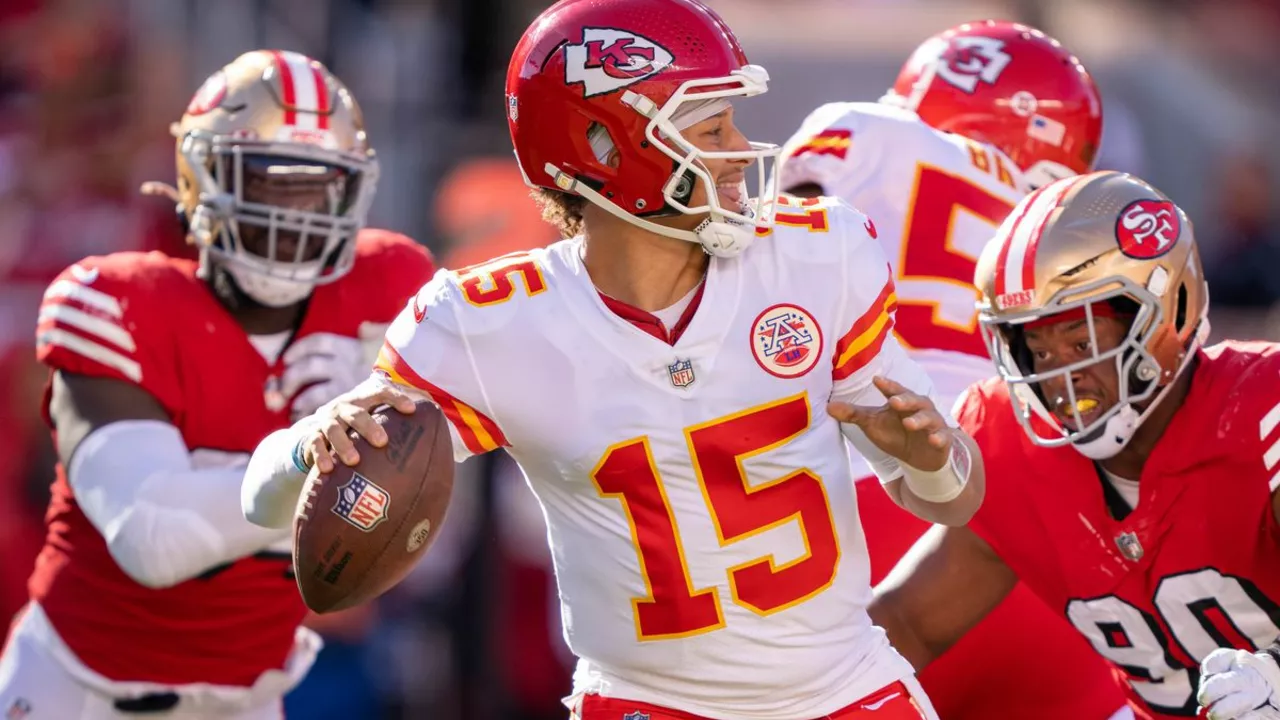
After watching the game, it's a tough call to say if the Chiefs won or if the 49ers blew it. Both teams showed incredible skill, making the game a nail-biter. However, it seemed that the Chiefs took advantage of every opportunity they had to score while the 49ers missed a few crucial plays. In my personal opinion, it was a combination of the Chiefs' aggressive play and the 49ers' minor slip-ups that determined the outcome. Regardless, both teams played a great game that will be remembered for years to come.
Categories
RECENT POSTS

Do losing College Football programs have any shot at the top 4?
The article examines the possibility of schools with losing college football programs to make it into the top four. It argues that although such schools face an uphill battle and must overcome a number of obstacles, it is still possible to achieve success. The article discusses the importance of recruiting top players, developing a strong coaching staff and cultivating a winning culture in order to increase the chances of success. It also highlights the importance of financial support and strong leadership in order to help create a winning environment. Ultimately, the article concludes that while it is possible for a school with a losing college football program to make it into the top four, it is an incredibly difficult task and requires a lot of hard work and dedication.

Why is the LA Lakers-Boston Celtics rivalry the best in sports?
The LA Lakers and Boston Celtics have a storied rivalry that dates back to the 1960s. The two teams have met in the NBA finals 12 times, with the Lakers winning nine of those matchups. The rivalry is not just based on the number of championships won, but also on the personal battles between the teams' stars. The Lakers and Celtics have featured some of the greatest players in NBA history, such as Magic Johnson, Larry Bird, Kobe Bryant, and Kevin Garnett. The Lakers and Celtics continue to battle for supremacy in the NBA, and their storied rivalry is regarded as the best in sports.

Angela Rayner’s rise and sudden fall: From union floor to Deputy PM, then out over code breach
Angela Rayner went from a teenage mum who left school with no qualifications to Deputy Prime Minister and Housing Secretary. Her direct style and union roots made her a Labour star, but controversies followed. Cleared over a council house sale and donor gifts, she later resigned after an ethics report found a Ministerial Code breach over stamp duty. Her exit leaves a gap in Labour’s housing push.

Robbie Keane leads Ferencváros to Europa League top three with stunning home win
Irish manager Robbie Keane has led Ferencváros to third place in the 2024/25 Europa League after a 3-1 win over Ludogorets at Budapest's Groupama Arena, marking a historic rise for the Hungarian club under his leadership.

How can one prevent cardiac arrest?
Alright folks, let's dive into the heart of the matter - how to prevent cardiac arrest! It's not rocket science, but more like a tango with your ticker. First, exercise is your heart's best friend - a brisk walk or a quick jog can work wonders, making your heart stronger than a love-struck teenager. Secondly, eat smart, because your heart needs fuel but not the junk kind; think fruits, veggies, whole grains and lean proteins. Lastly, smoking and excessive drinking are the mean kids on your heart's playground, so it's better to avoid them. So, let's keep our hearts happy and healthy, because, you know, they're kinda important!