Esports Recognition: What It Means and Why It Matters
When talking about Esports Recognition, the formal acknowledgement of competitive video‑gaming achievements by leagues, sponsors, and media. Also known as gaming recognition, it turns casual play into a professional pathway and gives players a chance to earn credibility, sponsorships, and fan follow‑up.
One of the biggest drivers behind esports, the fast‑growing sector of organized video‑game competition, is its ability to generate massive viewership. The gaming industry fuels this growth with big tournament prize pools and streaming platforms that broadcast matches worldwide. Because of that, official awards and titles have become a currency that signals quality to both fans and investors.
Another key piece of the puzzle is sports awards, the traditional system of trophies, medals, and hall‑of‑fame inductions. When these awards extend to esports, they create a bridge between old‑school athletics and the new digital arena. This link helps legitimize gaming in the eyes of skeptics and opens doors for sponsorship deals that were once reserved for physical sports.
Recognition in esports isn’t just about glitz; it requires a robust framework. Governing bodies, player unions, and tournament organizers all collaborate to set standards for fair play, anti‑cheat measures, and player welfare. Their combined efforts mean that a championship title carries weight beyond a single win—it becomes a benchmark for future events.
How Recognition Shapes the Community
When a player earns an official title, the ripple effect spreads across the community. New talent sees a clear path to success, sponsors gain confidence to invest, and fans get a reliable way to track their favorite teams. This cycle fuels more content, more streams, and ultimately more recognition, completing a feedback loop that drives the industry forward.
Looking at the posts in this collection, you’ll notice topics that range from activism and health to traditional sports debates. Even though they seem varied, they all touch on the core idea of how recognition—whether in politics, medicine, or athletics—shapes public perception and drives change. That same principle applies to esports: acknowledgment can turn a niche hobby into a mainstream career.
In practice, esports recognition often involves three steps: (1) a sanctioned tournament with clear rules, (2) media coverage that reaches a broad audience, and (3) an award ceremony that cements the achievement. Each step builds credibility, and together they form a solid foundation for the competitive scene.
For anyone curious about the future of gaming, paying attention to how titles are awarded, who awards them, and how they’re celebrated is essential. It tells you where the industry is heading and what opportunities might arise for players, coaches, and brands alike.
Below you’ll find a curated mix of articles that, while covering different fields, all illustrate the power of official acknowledgment. Dive in to see how recognition reshapes narratives, fuels ambition, and creates lasting impact—in esports and beyond.
Why isn't eSports as accepted as active sports?
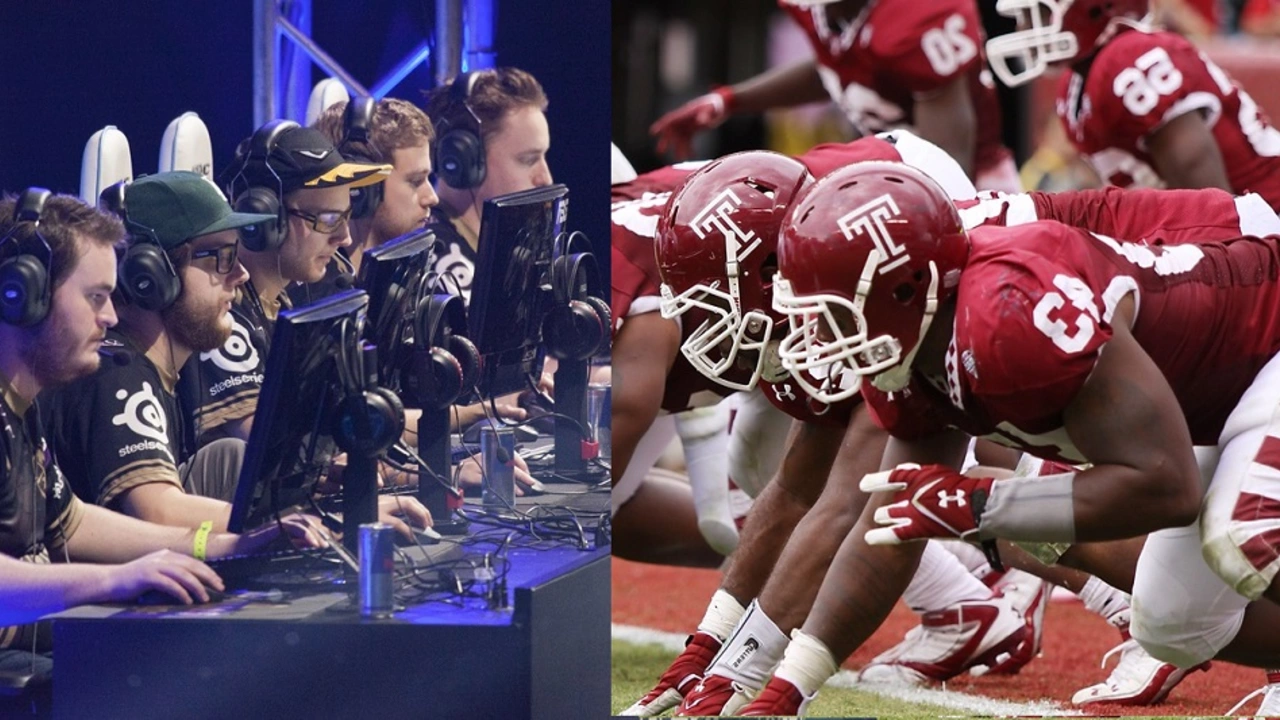
Hey folks, let's dive into this spicy salsa of a topic - Why isn't eSports as accepted as active sports? It's like trying to convince your grandma that your digital art is as real as her oil paintings! Well, the first hurdle is the physicality, or lack thereof. Traditional sports fans are often skeptical about watching folks play video games, missing the sweat and muscles flexing. But, let's not forget, eSports require serious mental gymnastics and finger dexterity! So next time you're defending eSports, flex those brainy biceps and remember, not all games need a ball and a field!
Categories
RECENT POSTS
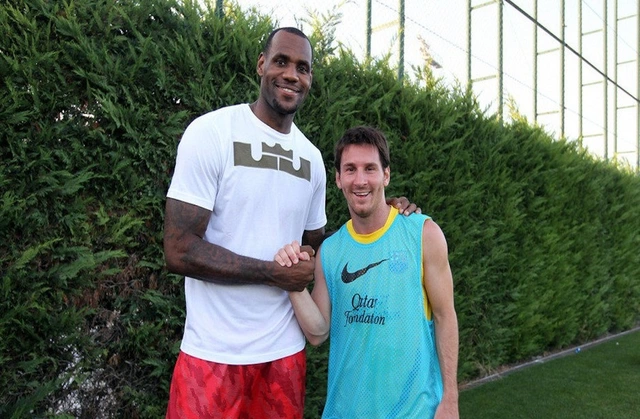
Who is more famous, Lionel Messi or LeBron James?
Lionel Messi and LeBron James are two of the most famous athletes in the world. Messi is widely regarded as one of the greatest soccer players of all time, while James is a four-time NBA Champion with the Los Angeles Lakers. Both have legions of fans across the globe, but who is more famous? It's difficult to say definitively, but Messi likely has the edge. He has won the Ballon d'Or for the world's best player an incredible six times, and he has helped Barcelona become one of the most successful teams in club soccer history. Meanwhile, James' popularity has waxed and waned over the years, and he is still chasing Michael Jordan's legacy in the NBA. Ultimately, Messi's sustained success on the pitch and global fan base make him the more famous of the two.
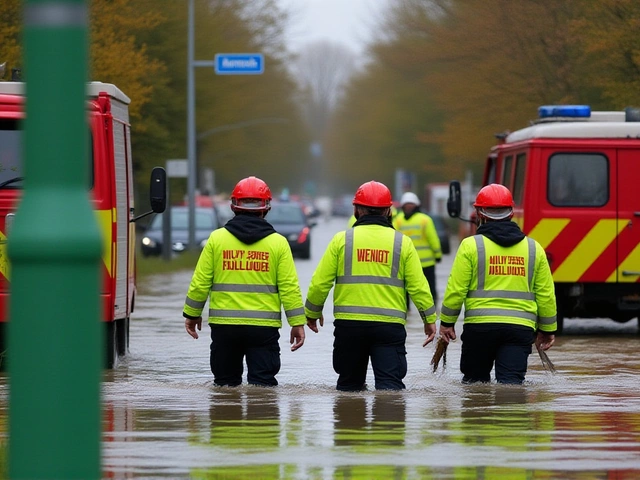
Storm Claudia Floods Monmouth, Wales, Closing Roads and Schools Amid Emergency Operations
Storm Claudia triggered severe flooding in Monmouth, Wales, forcing school closures and road shutdowns as Monmouthshire County Council warned residents to avoid the town. Aerial footage confirmed the town was underwater, with landslides and bridge failures complicating emergency response.

Escort Services in Aix-en-Provence: What to Know Before You Go
Understanding escort services in Aix-en-Provence means knowing the risks, the law, and the human stories behind them. This guide breaks down what's real, what's dangerous, and what alternatives actually work.
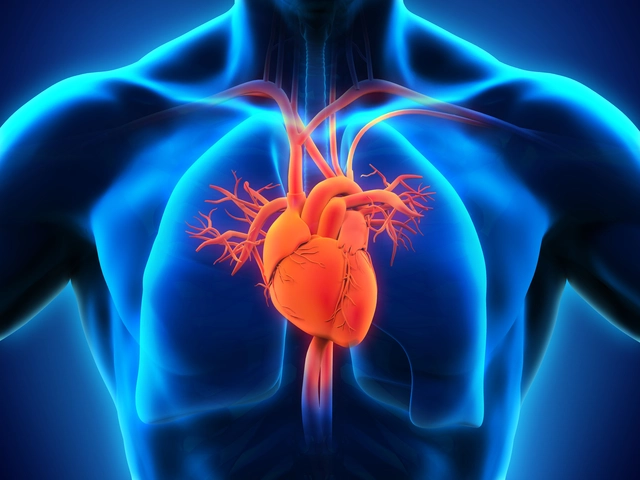
How can one prevent cardiac arrest?
Alright folks, let's dive into the heart of the matter - how to prevent cardiac arrest! It's not rocket science, but more like a tango with your ticker. First, exercise is your heart's best friend - a brisk walk or a quick jog can work wonders, making your heart stronger than a love-struck teenager. Secondly, eat smart, because your heart needs fuel but not the junk kind; think fruits, veggies, whole grains and lean proteins. Lastly, smoking and excessive drinking are the mean kids on your heart's playground, so it's better to avoid them. So, let's keep our hearts happy and healthy, because, you know, they're kinda important!

How to Maintain Friendships With Clients Without Coming Across as Unprofessional
Learn how to build genuine, lasting relationships with clients without crossing professional boundaries. Real tips on warmth, boundaries, social media, and when to say no.