Top 4 Lists – Rankings, Highlights, and Quick Picks
When you hear Top 4, a concise grouping of the four most notable items in a category, often used to highlight trends, best practices, or key statistics, you instantly picture a short, punchy list that tells you what matters most. Top 4 isn’t just a random collection; it’s built on a clear Ranking, a systematic ordering that decides which four rise to the top. It also leans on the Listicle format – a friendly, readable style that works well on screens and in newsletters. Finally, a solid Comparison of features, stats or impact ensures the chosen four truly stand out. In short, a Top 4 list encompasses the best items, requires clear criteria, and uses comparison to justify each pick.
Why do readers gravitate toward a Top 4? First, the brevity saves time – you get the highlights without wading through endless details. Second, the ranking process adds authority: when a curator says "these are the four you need to know," it feels like a trusted recommendation. Third, the listicle vibe makes the content easy to scan, share, and remember. These three ingredients – ranking, listicle, and comparison – form a triangle of credibility, readability, and relevance. For example, a sports blog might rank the four most exciting upcoming matches, compare their key players, and present the results in a snappy list that fans can read over a coffee.
How to Use a Top 4 List Effectively
Start by defining the purpose: are you showcasing trends, offering buying advice, or summarizing news? Next, set transparent criteria – points, votes, expert scores – so the ranking feels fair. Then gather data, run a quick comparison, and pick the four that best meet your goals. Finally, format them as a listicle: a bold headline for each item, a short why‑it‑matters paragraph, and maybe a bullet of key stats. When done right, the Top 4 becomes a go‑to reference that readers bookmark and share. The posts below use this exact approach, whether they’re breaking down political headlines, highlighting groundbreaking dental clinics, or debating the acceptance of eSports.
Below you’ll find a hand‑picked collection of articles that illustrate the power of the Top 4 format across a range of subjects. From daring political exposés to innovative health ventures, each piece follows the same simple rule: present four standout points, rank them clearly, and back them up with concise comparison. Browse through and see how a well‑crafted Top 4 can turn complex topics into quick, actionable takeaways.
Do losing College Football programs have any shot at the top 4?

The article examines the possibility of schools with losing college football programs to make it into the top four. It argues that although such schools face an uphill battle and must overcome a number of obstacles, it is still possible to achieve success. The article discusses the importance of recruiting top players, developing a strong coaching staff and cultivating a winning culture in order to increase the chances of success. It also highlights the importance of financial support and strong leadership in order to help create a winning environment. Ultimately, the article concludes that while it is possible for a school with a losing college football program to make it into the top four, it is an incredibly difficult task and requires a lot of hard work and dedication.
Categories
RECENT POSTS

Greta Thunberg alleges abuse as Israel deports Gaza aid activists
Activists from the Global Sumud Flotilla were deported to Istanbul on Oct 5, 2025, with allegations that Greta Thunberg suffered mistreatment in Israeli custody, heightening tensions over Gaza's blockade.

UK Clocks Jump Forward March 30, 2025 – British Summer Time Begins
The UK shifts to British Summer Time on 30 March 2025 and reverts on 26 October, affecting millions. History, impact and future plans explained.

How many Asians are playing in the NFL?
As an NFL enthusiast, I've noticed a gradual increase in the number of Asian players in the league over the years. Although the numbers aren't as high as other ethnic groups, the presence of Asians in the NFL is undeniably growing. This includes players of Asian descent, mixed heritage or those born in Asia. Their representation in the NFL is important as it promotes diversity in the sport. It's great to see the NFL becoming more inclusive and I look forward to seeing even more Asian players make their mark in the league.

Storm Claudia Floods Monmouth, Wales, Closing Roads and Schools Amid Emergency Operations
Storm Claudia triggered severe flooding in Monmouth, Wales, forcing school closures and road shutdowns as Monmouthshire County Council warned residents to avoid the town. Aerial footage confirmed the town was underwater, with landslides and bridge failures complicating emergency response.
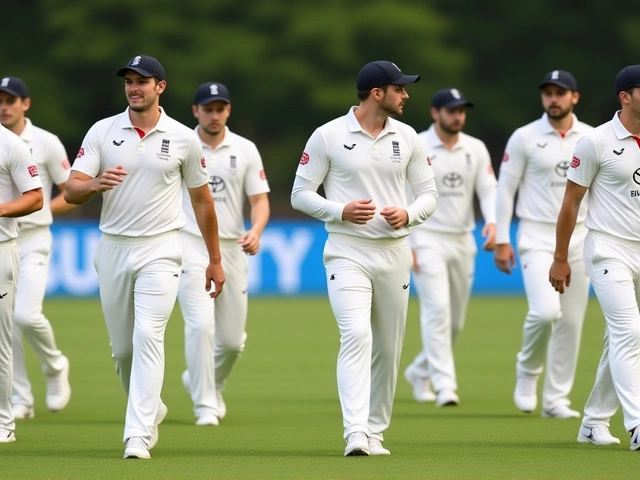
Root leads England without Stokes in New Zealand Test at The Oval
Joe Root captains England without Ben Stokes at The Kia Oval against New Zealand. Three debutants join the squad as England seeks to extend their 1-0 series lead amid off-field controversy.