Esports Acceptance: Why Gaming Is Gaining Mainstream Respect
When we talk about Esports Acceptance, the growing acknowledgement of competitive video gaming as a legitimate sport, also known as gaming legitimacy, we’re looking at a cultural shift that’s reshaping how people view play. Esports acceptance isn’t just a buzz phrase; it’s a concrete movement that brings together the Esports, organized video‑game competitions with professional players, leagues, and prize pools community, the Mainstream Sports, traditional physical sports that enjoy broad media coverage and institutional support, and the Sponsorship, brand partnerships that fund events, teams, and player salaries. The result is a powerful ecosystem where each piece lifts the other. For example, esports acceptance encompasses community support and institutional recognition, while it also requires robust sponsorship and clear governance. Mainstream sports influence esports acceptance by providing validation and shared infrastructure, and streaming platforms enable esports acceptance by reaching global audiences. Educational institutions foster esports acceptance through scholarships and curricula, making the whole scene even more credible.
Key Drivers Behind the Rise
One of the biggest catalysts is the rise of Streaming Platforms, services like Twitch and YouTube that broadcast live gameplay to millions. These platforms turn local tournaments into worldwide spectacles, proving that demand exists beyond niche circles. At the same time, traditional sports leagues are opening their doors to collaborative events, showing that esports acceptance requires cross‑industry partnerships. Sponsorship deals have expanded from energy drinks to major tech firms, because brands see the engaged audience as a valuable market. Finally, academic programs and scholarships are emerging, signaling that esports acceptance also means career pathways and professional development opportunities.
All this groundwork means the articles you’ll find below cover a wide range of angles – from how grassroots clubs navigate the new legitimacy landscape to how big‑ticket sponsors measure ROI in the digital arena. Whether you’re a player curious about scholarship options, a fan looking for the next big tournament, or a business pondering entry into the space, the collection offers actionable insights that reflect the current state of esports acceptance.
Why isn't eSports as accepted as active sports?
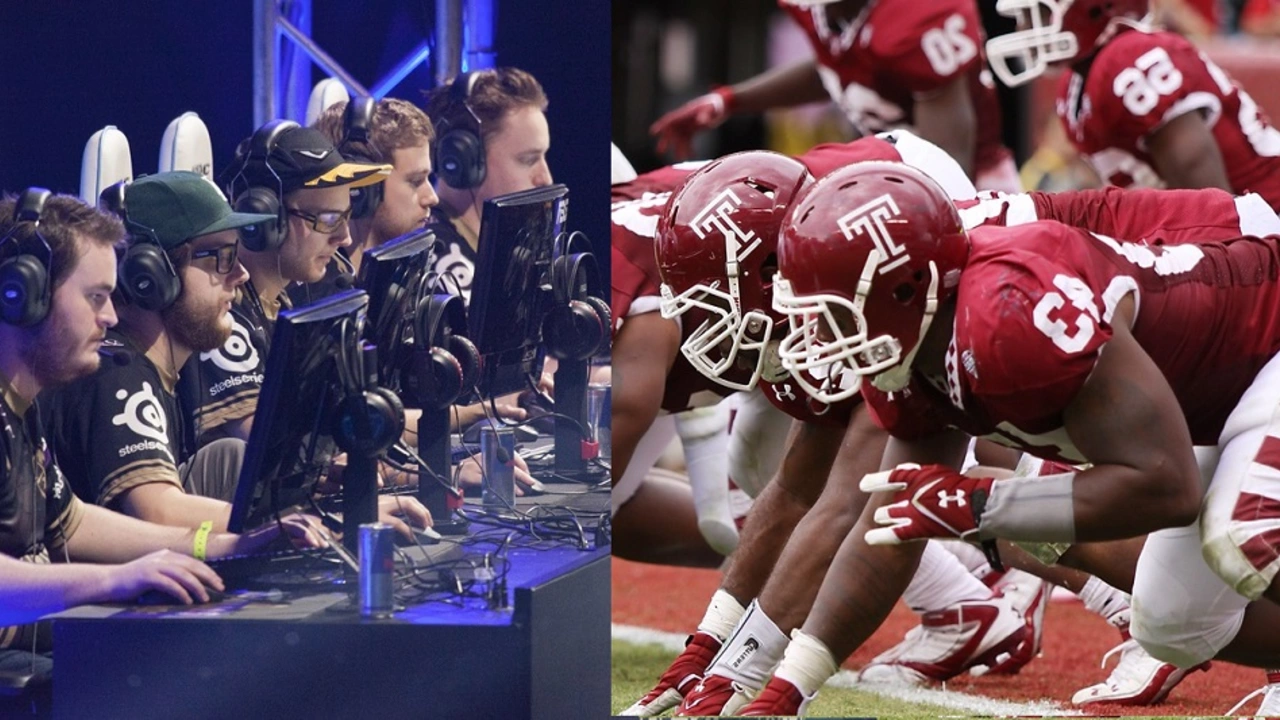
Hey folks, let's dive into this spicy salsa of a topic - Why isn't eSports as accepted as active sports? It's like trying to convince your grandma that your digital art is as real as her oil paintings! Well, the first hurdle is the physicality, or lack thereof. Traditional sports fans are often skeptical about watching folks play video games, missing the sweat and muscles flexing. But, let's not forget, eSports require serious mental gymnastics and finger dexterity! So next time you're defending eSports, flex those brainy biceps and remember, not all games need a ball and a field!
Categories
RECENT POSTS

Can someone name sports and their originated countries?
As a sports enthusiast, I've always been curious about the origins of various sports and where they were first played. After doing some research, I discovered that basketball was invented in the United States, soccer (or football) traces back to England, and table tennis, also known as ping pong, originated in Victorian England. Moreover, the modern version of badminton comes from India, while sumo wrestling has a long history in Japan. It's truly fascinating to see how sports have evolved and spread across the globe, bringing people together through the spirit of competition and camaraderie.

Greta Thunberg alleges abuse as Israel deports Gaza aid activists
Activists from the Global Sumud Flotilla were deported to Istanbul on Oct 5, 2025, with allegations that Greta Thunberg suffered mistreatment in Israeli custody, heightening tensions over Gaza's blockade.

How to Maintain Friendships With Clients Without Coming Across as Unprofessional
Learn how to build genuine, lasting relationships with clients without crossing professional boundaries. Real tips on warmth, boundaries, social media, and when to say no.
How have sports changed in the last 50-100 years?
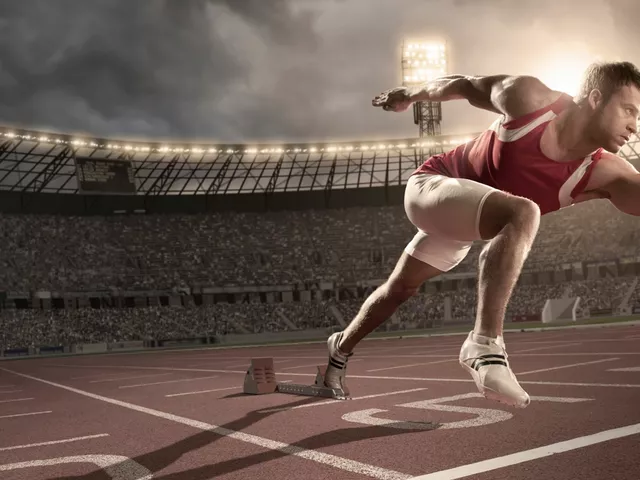
Over the last 50-100 years, sports have undergone monumental transformations. Technological advancements have reshaped training, performance, and even the way we watch games, making sports more accessible to the masses. There's been a significant shift in societal attitudes too, with increased inclusion and diversity in athletes, and a growing emphasis on the importance of sports for health and wellbeing. The commercialization of sports has also escalated, turning athletes into celebrities and sports events into billion-dollar industries. Yet, the core essence of sports - the grit, determination, and passion - remains unchanged.

Angela Rayner’s rise and sudden fall: From union floor to Deputy PM, then out over code breach
Angela Rayner went from a teenage mum who left school with no qualifications to Deputy Prime Minister and Housing Secretary. Her direct style and union roots made her a Labour star, but controversies followed. Cleared over a council house sale and donor gifts, she later resigned after an ethics report found a Ministerial Code breach over stamp duty. Her exit leaves a gap in Labour’s housing push.