Gaza blockade – impacts, legal angles and humanitarian help
When talking about Gaza blockade, the set of restrictions placed on the movement of people and goods into and out of the Gaza Strip since 2007. Also known as the Gaza Strip blockade, it shapes daily life, trade and politics in the region. The blockade restricts essential supplies, which triggers humanitarian emergencies; it requires international monitoring to balance security concerns with civilian needs. Gaza blockade is not just a political headline – it is a concrete system that affects food, medicine and fuel. Humanitarian aid, the delivery of food, medical kits and shelter by NGOs and UN agencies tries to fill the gaps created by the restrictions, while International law, the body of rules governing armed conflict, blockades and human rights provides the legal yardstick that judges whether the measures are lawful. By linking the blockade, aid flows and legal standards, we see a clear chain: the blockade limits supplies, humanitarian aid attempts relief, and international law sets the limits and obligations for both sides.
Key topics you’ll explore
The United Nations, the global body that monitors compliance and coordinates relief in conflict zones plays a watchdog role, issuing reports and sometimes negotiating temporary easements. Its monitors often note how the blockade influences the local economy, from fishing fleets to small workshops, creating a ripple effect that reaches schools and hospitals. The broader Israel-Palestine conflict, the long‑standing territorial and political dispute over land, security and recognition provides the context in which the blockade operates; any shift in peace talks can tighten or loosen the restrictions almost overnight. Meanwhile, the supply chain, the network that moves goods from manufacturers to end users inside Gaza is forced to adapt, using tunnels, informal routes or limited maritime corridors. These entities intersect: the conflict fuels the blockade, the blockade strains the supply chain, humanitarian aid steps in, and the UN evaluates everything against international law.
Our collection of articles under the Gaza blockade tag pulls together a surprisingly wide range of viewpoints. You’ll find a piece on a luxury dental clinic opening in London that mentions how international sanctions affect high‑end medical travel, a political roundup about a Utah campus incident that touches on free speech debates in conflict zones, and a health guide outlining how cardiac‑arrest prevention can become harder when medication supply lines are disrupted. Sports stories about eSports acceptance or NFL diversity may seem unrelated, but they illustrate how global culture continues to evolve even as conflict‑related blockades shape daily realities. By reading through, you’ll see how the blockade’s ripple effect touches everything from health services to entertainment, showing the human side behind the headlines. Below, the posts dive deeper into each angle, giving you concrete examples, expert analysis and real‑world stories that bring the Gaza blockade into sharper focus.
Greta Thunberg alleges abuse as Israel deports Gaza aid activists
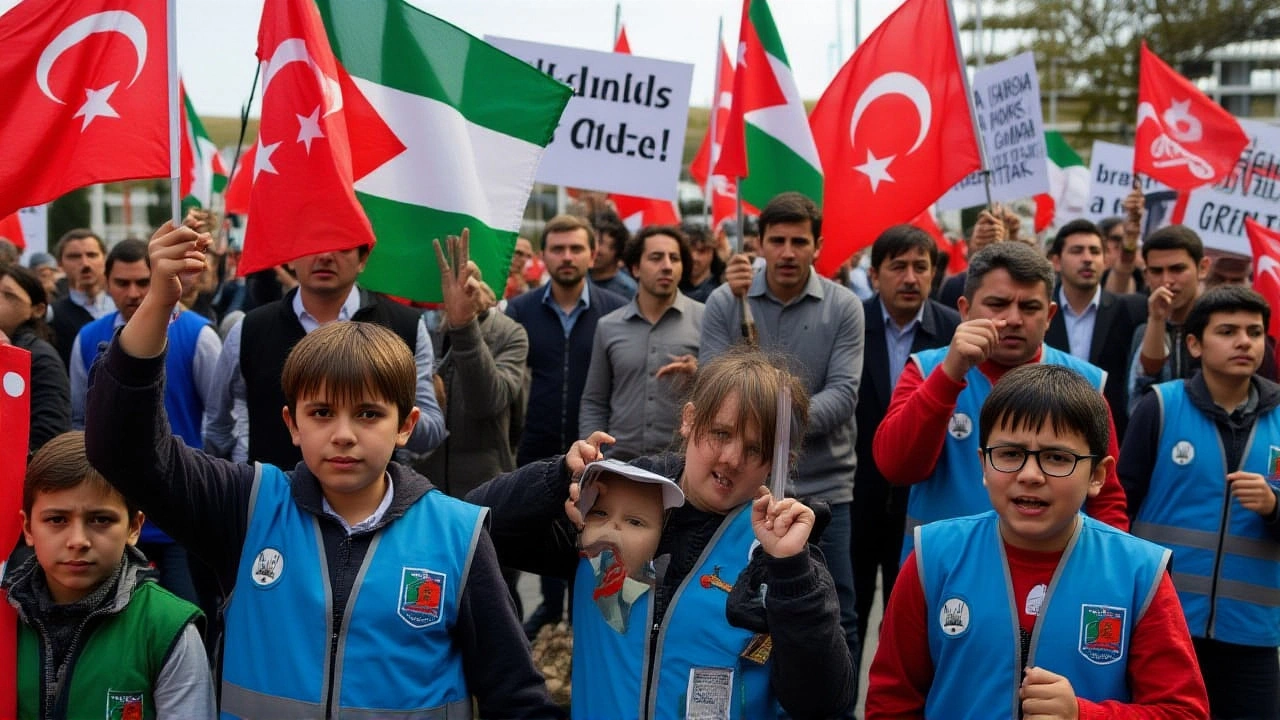
Activists from the Global Sumud Flotilla were deported to Istanbul on Oct 5, 2025, with allegations that Greta Thunberg suffered mistreatment in Israeli custody, heightening tensions over Gaza's blockade.
Categories
RECENT POSTS

Did the Chiefs win it or did the 49ers blow it?
After watching the game, it's a tough call to say if the Chiefs won or if the 49ers blew it. Both teams showed incredible skill, making the game a nail-biter. However, it seemed that the Chiefs took advantage of every opportunity they had to score while the 49ers missed a few crucial plays. In my personal opinion, it was a combination of the Chiefs' aggressive play and the 49ers' minor slip-ups that determined the outcome. Regardless, both teams played a great game that will be remembered for years to come.

Crystal Palace 2-0 Wolves: Edwards’ Debut Ends in Defeat as Palace Surge to Fourth, Wolves Hit Historic Low
Crystal Palace beat Wolves 2-0 at Molineux, with goals from Muñoz and Pino, leaving Wolves winless in 12 Premier League games — their worst start since 1930 — while Palace surge to fourth place.

Robbie Keane leads Ferencváros to Europa League top three with stunning home win
Irish manager Robbie Keane has led Ferencváros to third place in the 2024/25 Europa League after a 3-1 win over Ludogorets at Budapest's Groupama Arena, marking a historic rise for the Hungarian club under his leadership.
Greta Thunberg alleges abuse as Israel deports Gaza aid activists
Activists from the Global Sumud Flotilla were deported to Istanbul on Oct 5, 2025, with allegations that Greta Thunberg suffered mistreatment in Israeli custody, heightening tensions over Gaza's blockade.

UK Clocks Jump Forward March 30, 2025 – British Summer Time Begins
The UK shifts to British Summer Time on 30 March 2025 and reverts on 26 October, affecting millions. History, impact and future plans explained.