Traditional Sports Bias
When talking about Traditional Sports Bias, the tendency to favor long‑established, mainstream sports and the stories that fit familiar narratives. Also known as legacy sport favoritism, it shows up in headlines, broadcast time and even sponsorship deals, often pushing newer or less‑visible games to the sidelines.
Key Factors Behind the Tilt
One major driver is sports media, the networks, magazines and online platforms that decide which events get prime slots. The same outlets also shape gender bias, the unequal attention given to male versus female athletes. Cultural bias adds another layer: cultural bias, preference for sports rooted in dominant regional traditions, often sidelines games popular in minority communities. Finally, athlete representation, how diverse athletes appear in coverage and sponsorships, determines whether fans see a sport as inclusive or exclusive.
These factors interact in predictable ways: traditional sports bias encompasses gender bias, and gender bias influences athlete representation. Sports media amplifies cultural bias, while cultural bias can reinforce the media’s focus on legacy sports. For example, articles that highlight the rise of Asian NFL players challenge both cultural and gender stereotypes, showing how broadening representation can chip away at the bias. Likewise, discussions about the evolving rivalry between the Lakers and Celtics illustrate how historic narratives dominate coverage, even when emerging teams generate fresh excitement. By spotting these patterns, readers can better understand why certain stories dominate the feed while others struggle for visibility.
Below you’ll find a collection of posts that dive into real‑world instances of these dynamics – from the way politics intersect with sports coverage to the growing presence of under‑represented athletes. Each article adds a piece to the puzzle, helping you see where bias starts, how it spreads, and what steps can shift the balance toward a more inclusive sports landscape.
Why isn't eSports as accepted as active sports?
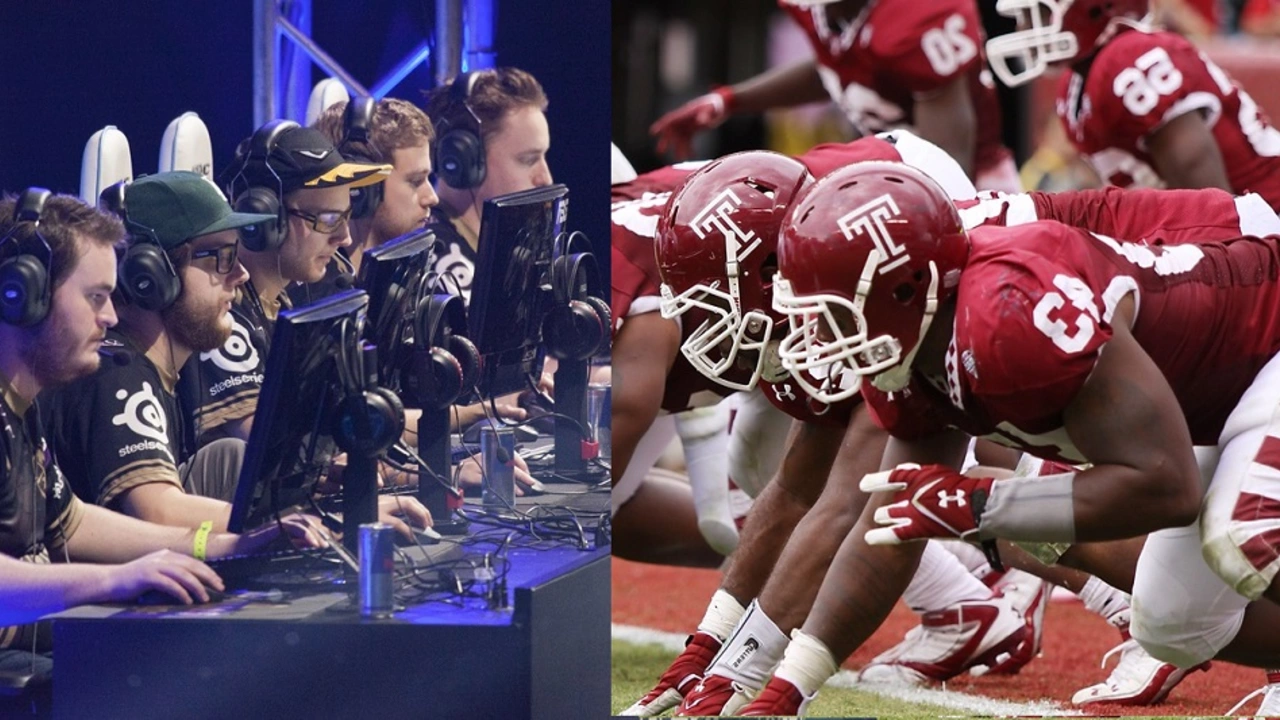
Hey folks, let's dive into this spicy salsa of a topic - Why isn't eSports as accepted as active sports? It's like trying to convince your grandma that your digital art is as real as her oil paintings! Well, the first hurdle is the physicality, or lack thereof. Traditional sports fans are often skeptical about watching folks play video games, missing the sweat and muscles flexing. But, let's not forget, eSports require serious mental gymnastics and finger dexterity! So next time you're defending eSports, flex those brainy biceps and remember, not all games need a ball and a field!
Categories
RECENT POSTS

Why is the LA Lakers-Boston Celtics rivalry the best in sports?
The LA Lakers and Boston Celtics have a storied rivalry that dates back to the 1960s. The two teams have met in the NBA finals 12 times, with the Lakers winning nine of those matchups. The rivalry is not just based on the number of championships won, but also on the personal battles between the teams' stars. The Lakers and Celtics have featured some of the greatest players in NBA history, such as Magic Johnson, Larry Bird, Kobe Bryant, and Kevin Garnett. The Lakers and Celtics continue to battle for supremacy in the NBA, and their storied rivalry is regarded as the best in sports.
Rüh Dental Opens First Dental Clinic Inside Harrods
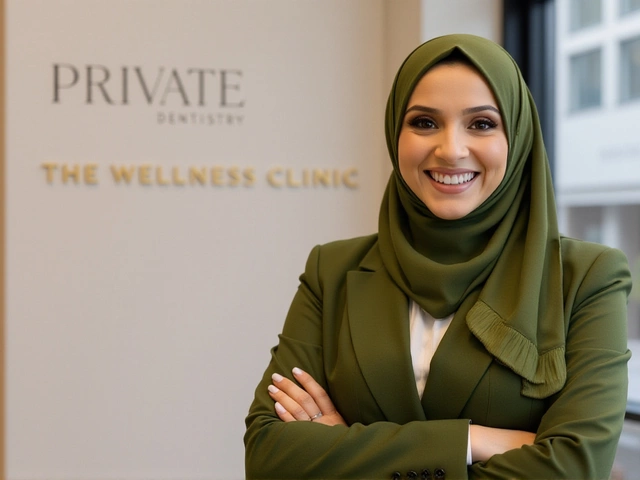
Dr. Zayda Sheikh turned a private practice on Fleet Street into a luxury brand that now lives on Harrods' fourth floor. The new clinic offers same‑day smile makeovers, implants and aligners while keeping the high‑end service standards of the department store. Its opening marks the first dental practice inside Harrods, giving the brand unprecedented credibility. The venture blends cosmetic dentistry with a broader wellness outlook, aiming at global clients who view their smile as part of overall health. Sheikh’s story shows how entrepreneurship, relationship‑building and niche focus can reshape a traditional industry.
Charlie Kirk: Erika Kirk vows her husband's voice will remain after reported Utah campus attack
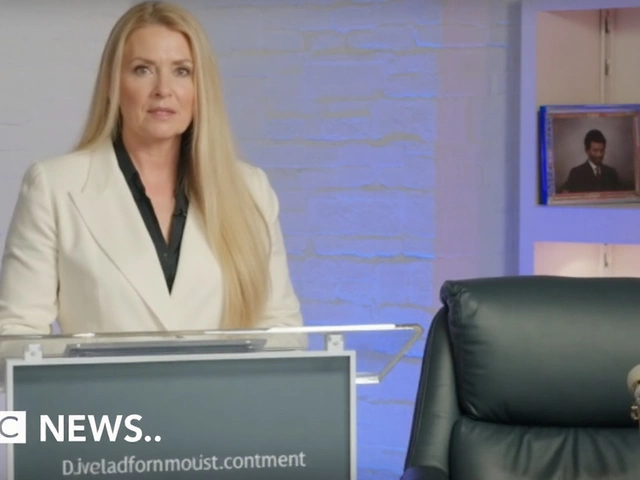
Erika Kirk delivered an emotional message after reports of an attack involving her husband, Charlie Kirk, at a Utah university. She vowed to carry on his mission through Turning Point USA and said his work to strengthen families would continue. Authorities say they are reviewing evidence and have made an arrest, but full details remain unconfirmed. Reactions poured in across conservative networks.
Why isn't eSports as accepted as active sports?
Hey folks, let's dive into this spicy salsa of a topic - Why isn't eSports as accepted as active sports? It's like trying to convince your grandma that your digital art is as real as her oil paintings! Well, the first hurdle is the physicality, or lack thereof. Traditional sports fans are often skeptical about watching folks play video games, missing the sweat and muscles flexing. But, let's not forget, eSports require serious mental gymnastics and finger dexterity! So next time you're defending eSports, flex those brainy biceps and remember, not all games need a ball and a field!
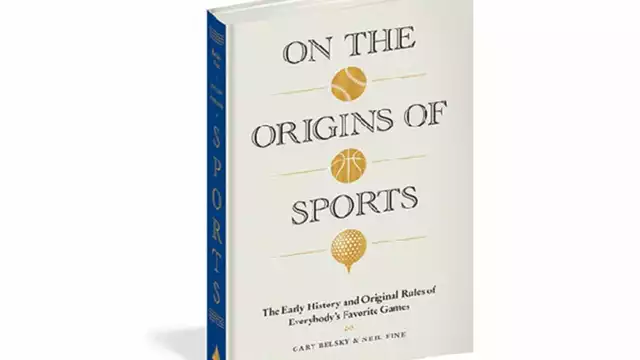
Can someone name sports and their originated countries?
As a sports enthusiast, I've always been curious about the origins of various sports and where they were first played. After doing some research, I discovered that basketball was invented in the United States, soccer (or football) traces back to England, and table tennis, also known as ping pong, originated in Victorian England. Moreover, the modern version of badminton comes from India, while sumo wrestling has a long history in Japan. It's truly fascinating to see how sports have evolved and spread across the globe, bringing people together through the spirit of competition and camaraderie.