Losing Programs: Why Some Sports Initiatives Fail
When you hear losing programs, efforts that consistently miss goals, lose participants, or shut down early, you might picture a business that can’t stay afloat. In the world of sport, a losing program is any organized activity—team, league, or training scheme—that repeatedly loses members, funding, or competitive edge. Also known as underperforming initiatives, it often signals deeper structural issues.
One major driver behind many losing programs is the lack of a solid framework in sports development programs, structured plans that nurture talent, provide coaching, and create clear pathways for progression. These programs require strategic vision, qualified staff, and measurable goals. When they miss any of these pieces, the whole system can wobble, leading to high dropout rates and dwindling community interest. In short, sports development programs encompass the training pipelines that keep athletes engaged.
Another piece of the puzzle is community health programs, public initiatives that promote fitness, nutrition, and overall well‑being at a local level. They influence the success of sports projects by supplying a healthier participant pool and by raising awareness about the benefits of staying active. A community health program that partners with local clubs can boost attendance, while a disconnected effort often leaves potential players uninformed and unmotivated.
Closely tied to both of the above are youth sports programs, activities aimed at children and teenagers that combine skill development with fun competition. These programs are the first touchpoint for many future athletes, and they are especially vulnerable to the shortcomings of larger development plans. When youth sports programs receive steady funding, qualified coaches, and community backing, they stand a better chance of surviving the early years. Conversely, gaps in any of these areas often turn promising projects into losing programs.
Key Factors Behind Program Loss
Funding is the lifeblood of any organized sport. Without reliable government grants, sponsor support, or member fees, even the best‑planned sports development programs can crumble. Governance also plays a part: clear rules, transparent decision‑making, and accountable leadership reduce the risk of mismanagement that can push a program toward failure. Together, funding and governance form a core semantic triple: "Losing programs require sustainable funding and strong governance to thrive."
Alumni engagement offers a hidden advantage. Former participants who stay connected often become mentors, donors, or advocates. Their real‑world experience helps youth sports programs stay relevant and attractive. When a program taps into its alumni network, it creates a feedback loop that can correct issues before they become fatal. This connection illustrates another triple: "Community health programs influence youth sports programs through alumni mentorship."
Data‑driven evaluation is the modern way to spot trouble early. Tracking attendance, performance metrics, and satisfaction scores lets organizers spot declining trends before they become irreversible. By regularly reviewing this data, sports development programs can adjust training methods, reallocate resources, or launch new outreach campaigns. In practice, this forms the triple: "Effective sports development programs reduce dropout rates by using performance metrics."
Below you’ll find a curated mix of stories, analyses, and opinions that dive deeper into these themes. From discussions about political activism affecting community projects to insights on how health initiatives shape youth engagement, the posts highlight real‑world examples of what makes a program succeed—or slip into the losing category. Explore the collection to see how each factor plays out across different contexts.
Do losing College Football programs have any shot at the top 4?

The article examines the possibility of schools with losing college football programs to make it into the top four. It argues that although such schools face an uphill battle and must overcome a number of obstacles, it is still possible to achieve success. The article discusses the importance of recruiting top players, developing a strong coaching staff and cultivating a winning culture in order to increase the chances of success. It also highlights the importance of financial support and strong leadership in order to help create a winning environment. Ultimately, the article concludes that while it is possible for a school with a losing college football program to make it into the top four, it is an incredibly difficult task and requires a lot of hard work and dedication.
Categories
RECENT POSTS

Rüh Dental Opens First Dental Clinic Inside Harrods
Dr. Zayda Sheikh turned a private practice on Fleet Street into a luxury brand that now lives on Harrods' fourth floor. The new clinic offers same‑day smile makeovers, implants and aligners while keeping the high‑end service standards of the department store. Its opening marks the first dental practice inside Harrods, giving the brand unprecedented credibility. The venture blends cosmetic dentistry with a broader wellness outlook, aiming at global clients who view their smile as part of overall health. Sheikh’s story shows how entrepreneurship, relationship‑building and niche focus can reshape a traditional industry.

Why is the LA Lakers-Boston Celtics rivalry the best in sports?
The LA Lakers and Boston Celtics have a storied rivalry that dates back to the 1960s. The two teams have met in the NBA finals 12 times, with the Lakers winning nine of those matchups. The rivalry is not just based on the number of championships won, but also on the personal battles between the teams' stars. The Lakers and Celtics have featured some of the greatest players in NBA history, such as Magic Johnson, Larry Bird, Kobe Bryant, and Kevin Garnett. The Lakers and Celtics continue to battle for supremacy in the NBA, and their storied rivalry is regarded as the best in sports.

How have sports changed in the last 50-100 years?
Over the last 50-100 years, sports have undergone monumental transformations. Technological advancements have reshaped training, performance, and even the way we watch games, making sports more accessible to the masses. There's been a significant shift in societal attitudes too, with increased inclusion and diversity in athletes, and a growing emphasis on the importance of sports for health and wellbeing. The commercialization of sports has also escalated, turning athletes into celebrities and sports events into billion-dollar industries. Yet, the core essence of sports - the grit, determination, and passion - remains unchanged.
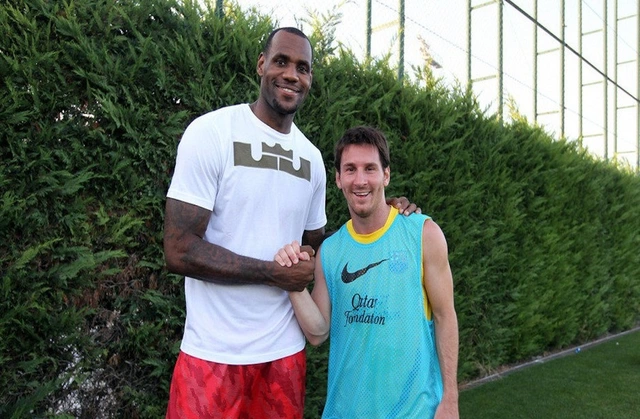
Who is more famous, Lionel Messi or LeBron James?
Lionel Messi and LeBron James are two of the most famous athletes in the world. Messi is widely regarded as one of the greatest soccer players of all time, while James is a four-time NBA Champion with the Los Angeles Lakers. Both have legions of fans across the globe, but who is more famous? It's difficult to say definitively, but Messi likely has the edge. He has won the Ballon d'Or for the world's best player an incredible six times, and he has helped Barcelona become one of the most successful teams in club soccer history. Meanwhile, James' popularity has waxed and waned over the years, and he is still chasing Michael Jordan's legacy in the NBA. Ultimately, Messi's sustained success on the pitch and global fan base make him the more famous of the two.
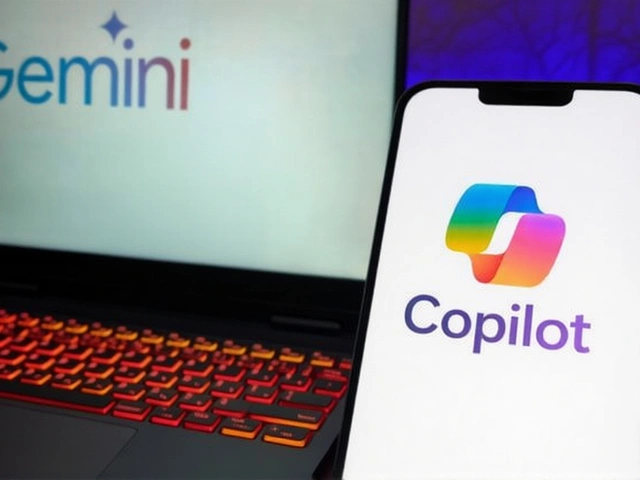
Gemini 2.5 Launch Escalates AI War Between Google and Microsoft in 2025
Google's Gemini 2.5 launch intensifies its AI rivalry with Microsoft Copilot, offering faster, free, multimodal AI with 1M-token context vs. Copilot's 40% Excel productivity gains and enterprise integration — setting up a 2026 showdown over privacy, price, and platform dominance.